If you’re running a small or mid-size business in Europe, customer service never stops pressing. Your team’s time gets swallowed by support tickets, emails stack up, and customers want instant replies—any hour, any day. But hiring more staff just increases overhead, and off-the-shelf SaaS often leaves gaps, raises costs, or risks GDPR headaches.
Automating support isn’t about robots replacing people. It’s about freeing your people for what truly matters.
We’ve seen dozens of European SMEs straining under generic software. Costs multiply. Workflows feel forced. Control over data is lost. As 2026 approaches, the most successful small businesses will automate customer service with best practices anchored in practical outcomes—cutting costs, saving hours, and keeping support human and compliant, even as it gets faster.
This article will guide you, step by step, on how to automate customer service using workflows, helpdesks, and chatbots, while keeping the needs of European SMEs front and center. We’ll be clear about what works, what doesn’t, and why building fit-for-purpose automation with Everdados is often the smartest move.
Why automation is the next step for SMEs in 2026
Let’s start with the problems we all know. Growing customer bases mean support tickets pile up. Repetitive questions drain your staff’s energy. New communication channels emerge, but systems don’t talk to each other. Costs go up, not down, with each new SaaS subscription.
- Rising wage and overhead pressures across Europe
- Unpredictable customer volumes (seasonal peaks, campaigns, etc.)
- Data privacy demands with GDPR and local rules
- Fragmented tools—CRM here, chat there, email somewhere else
We’ve seen these pain points firsthand. A business owner told us recently, “I can’t justify another month of three different helpdesks that don’t connect, but switching platforms is a nightmare.”
Automated customer support isn’t about cutting corners; it’s about cutting out time sinks, errors, and cost bloat.
Automation lets you:
- Send instant, consistent replies to routine inquiries, anytime
- Reconnect with cold leads or former clients with personal touch, automatically
- Free support staff from repetitive, low-value tasks
- Keep a clear record of all customer communications in one place
- Control every aspect of your data, for GDPR peace of mind
Key features of automated customer service in 2026
As we approach 2026, we notice a few things have become standard among businesses that deliver standout customer support with less effort.
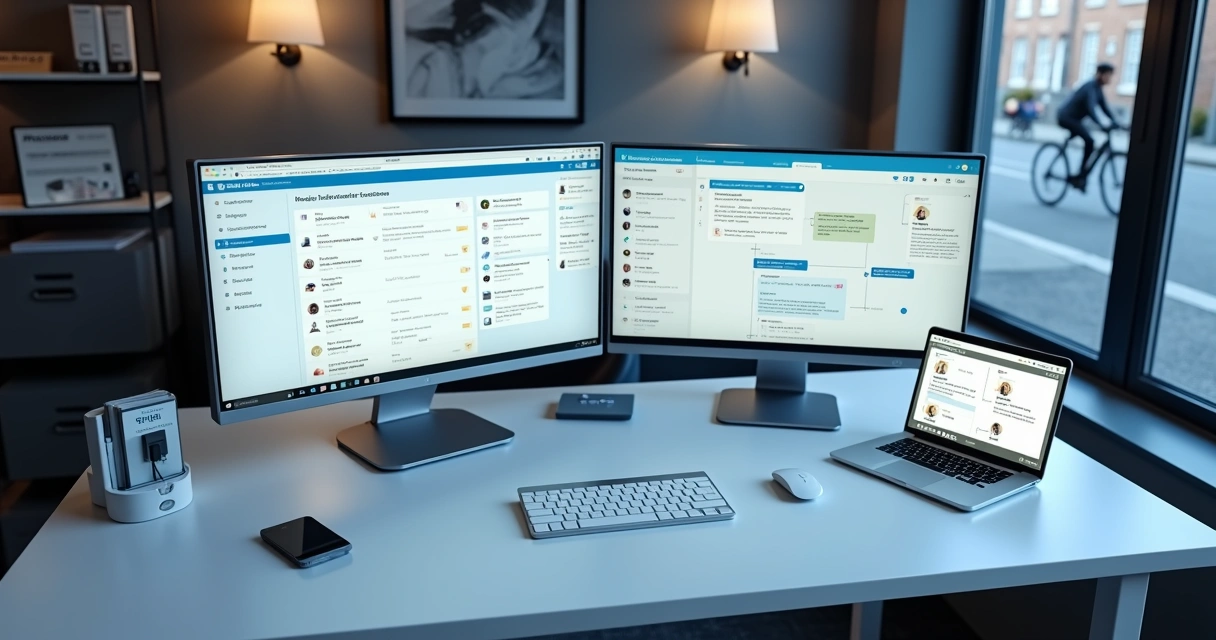
- Omnichannel readiness: handle queries from email, chat, and social—all in one
- Conversational AI: chatbots that don’t just respond, but qualify leads and resolve questions
- Automated ticket routing: the right issue finds the right person (or bot) instantly
- Template and macro systems: common questions answered in a click, but with a human feel
- GDPR handling: automated data deletion, customer information access, and compliance built in
But not all automation is created equal. While some SaaS tools promise a one-size-fits-all solution, we find that custom workflows—designed around your unique business—bring bigger returns.
Custom automation vs. generic SaaS: what SME owners tell us
Generic helpdesk and AI chatbot suites tempt with fast setups and shiny dashboards. We get the appeal. But the reality, as many of our clients report, can be disappointing in the long run.
Your business is unique. Your customer service tools should reflect that.
Let’s break down the differences we see every day:
- Cost: Off-the-shelf tools: Monthly costs climb with every user or new feature. Custom: One upfront project with low ongoing maintenance, even as you add staff or volume.
- Fit: Generic: You adapt to the software’s way of working, not the other way around. Custom: Your workflows, forms, automations, and triggers match your current process.
- Control: SaaS: Data stored on third-party servers, often outside your country, with limited access. Custom: Data lives where you need it. You set user roles, retention, and have full transparency.
- GDPR and EU law: Out-of-the-box: Some vendors offer “compliance” as a feature, but leave loopholes or hidden risks. Custom: We can design your automation to enforce every step of GDPR, from consent requests to erasure.
We covered more about why “plug and play” automation often falls short in our article on common failures when automating business processes.
Best practices for automating customer service workflows
To automate customer service small business best practices workflows chatbot helpdesk 2025 2026, you need a practical, hands-on approach—more than just adding tools for the sake of it.
Map your process before you automate
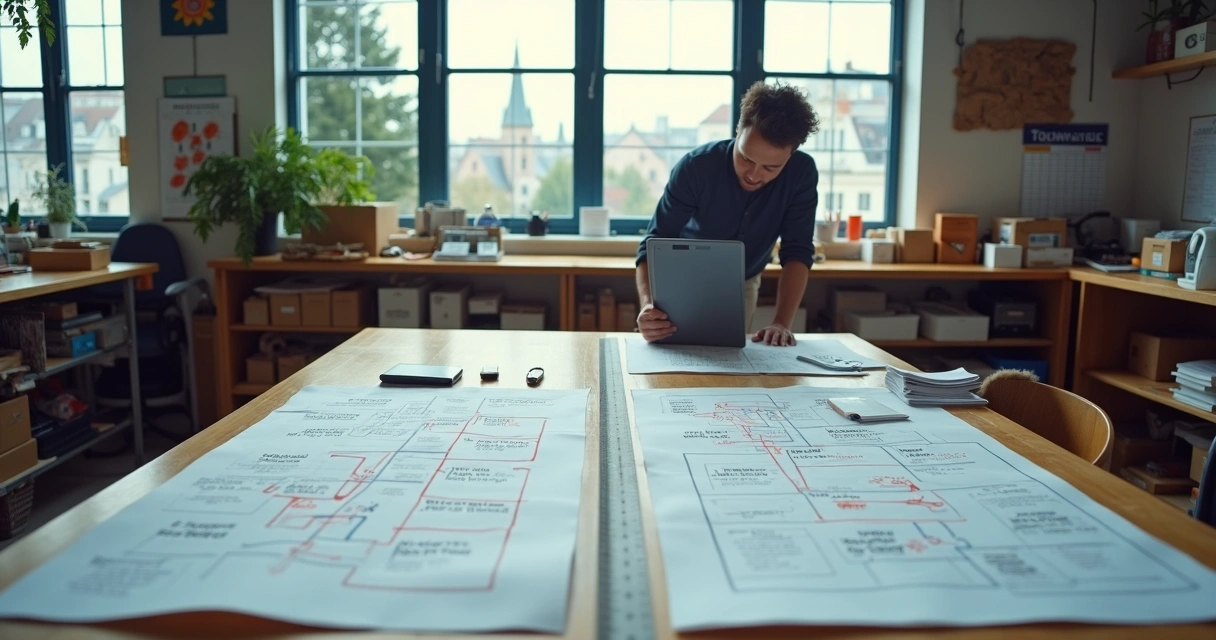
Start by mapping your current customer journey. Where do questions come in? Who handles what? What gets repeated dozens of times a week? Where do things slow down? Don’t automate a bad process; first, see what truly matters.
If you don’t know your bottlenecks, you’re just making them faster.
Choose the right automation for each task
We recommend breaking down support tasks into three groups:
- Simple and repetitive: Common FAQ, password resets, account status checks. Perfect for AI chatbots or automated replies.
- Process-driven: Lead follow-up, customer onboarding, cross-system syncs. Ideal for automated workflows that link CRM, helpdesk, and email.
- Human only: Complex sales, disputes, high-value clients. Automation should route these quickly to real people.
Start small, automate for big gains
Automate just one support task first—say, follow-up emails for tickets marked as “solved.” Measure how much time you save. We find even small automations can recover five or more staff hours a week in an SME. Grow from there.
Learn more about automating simple business tasks in our dedicated resources.Always monitor, always improve
Automation is not “set and forget.” Keep a close watch on response times, customer satisfaction, and edge cases. Gather feedback from staff and customers. Adjust your logic, triggers, or chatbot scripts to address new needs.
Setting up chatbots for small business customer service
Chatbots used to feel robotic, but AI models in 2026 respond with context, tone, and personality. The trick is guiding them with clear boundaries.
We set up chatbots using these steps:
- Define the chatbot’s purpose: Is it for lead qualification, answering simple questions, or taking bookings?
- Prepare scripts and context: Write examples and rules. For SMEs, we use branded language, local references, and limit what the bot is allowed to say.
- Connect the chatbot to your helpdesk: This way, complex queries are sent to a real person, and nothing falls through the cracks.
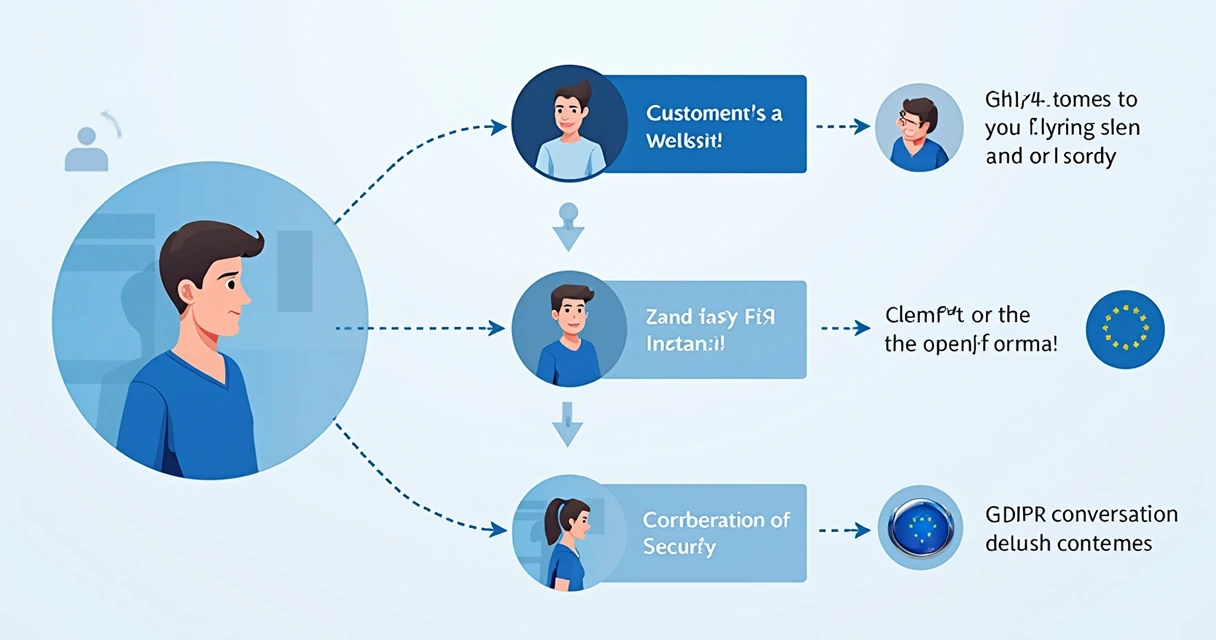
- Comply with GDPR: Inform customers when they’re speaking with a bot. Add privacy options and make it easy for them to request a human.
- Review and improve: Log conversations, track feedback, and tweak responses over time.
Every SME has different needs. Some need bots that work on WhatsApp, others want them on their website chat or mobile app. By building custom bots, like Everdados does, your business can control every aspect—from branding to legal compliance.
Automating helpdesk operations: actionable workflow ideas
Moving beyond chatbots, full helpdesk automation means your team spends less time triaging, forwarding, or re-explaining. Here are five common automations European SMEs are using now, and will still rely on in 2026:
- Automatic ticket triage: Assign tickets by keyword, priority, or customer type so they land with the right agent or workflow on arrival.
- Follow-up reminders: Set triggers for unresolved queries—no more forgotten requests.
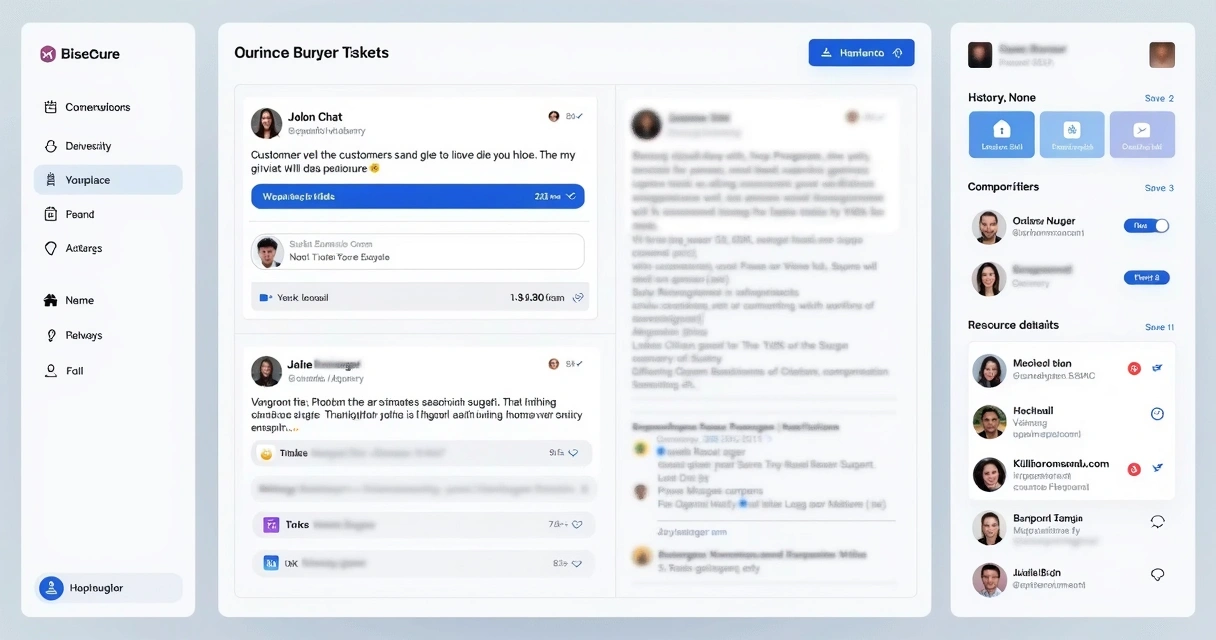
- Multi-channel consolidation: Connect social, chat, and email so you never miss a message, and can reply in one dashboard.
- Workflow integration: Have resolved cases autofill CRM records, send satisfaction surveys, or handoff to sales teams without manual effort.
- Customer data control: Schedule automatic data deletion, anonymization, or extraction to stay GDPR compliant at all times.
In our experience, the biggest wins come when automations actually fit your business. Off-the-shelf helpdesks may tick boxes, but a custom approach ensures even your surprise exceptions are handled gracefully.
Our article on integrating systems for European SMEs explains how linking support tools with accounting, sales, and marketing multiplies the benefits of automation.
How AI agents keep SMEs competitive in 2026
AI agents are no longer a distant dream. In 2026, conversational AI can handle about 50-80% of small business customer support requests. The real value, though, is not just speed—it’s in the quality and customization.
- AI agents qualify leads 24/7, so your sales team focuses on the most promising prospects.
- Service-level agreements are easier to meet, as chatbots can process common issues instantly.
- Analytics from AI conversations highlight gaps in your offers or frequent pain points.
Many SaaS vendors advertise these features, but we know from talking to SME owners that “out-of-the-box” AI can lack context, miss local nuances, or process data offshore—sometimes putting compliance at risk.
Building AI agents with Everdados means configuring them to your unique offers, in your language, under your customer service policies. You also decide exactly what data is used, stored, or deleted.
We go deeper into custom software for SMEs in our category on tailored software. It’s worth practical attention if generic AI tools have left gaps in your support.
GDPR, control, and trust: European requirements in automated customer support
GDPR is not just a legal box to tick. For European SMEs, it impacts trust, reputation, and bottom line.
- Customers are informed and expect clear data practices
- Cross-border data flow is tightly regulated
- Automations must provide for access, erasure, and consent—by design
We always advise our clients: if your customer can’t request their data be erased or extracted automatically, your support system isn’t ready for 2026.
Custom-built automations make it possible to bake in GDPR, dual-language support, and local region-specific regulations, all while keeping the experience smooth for your clients.
How automation transforms customer service outcomes
Based on our work automating customer support for SMEs, here’s what you can expect:
- 20-40% reduction in support-related costs from fewer manual tasks and cheaper software stack
- Up to 60% fewer tickets needing human response (thanks to AI and clear workflows)
- Response times drop from hours to minutes—even at 2 a.m.
- Happier staff and customers, who get faster help and fewer errors
- Audit trails, compliance, and peace of mind—especially for businesses handling sensitive data
Want more proof? Our AI case studies show how European SMEs used custom automation to hit targets while growing.
Custom vs. generic: which path fits your SME?
At Everdados, we’re clear-eyed about this: generic SaaS is fast and cheap to start, but can bring rising hidden costs, lose fit, and compromise control as your business grows.
Custom solutions require involvement upfront, but translate to:
- Lower costs over time (no per-user license traps)
- More satisfied and focused support teams
- Zero concerns about where your data goes
- Workflows that flex to meet your business as it evolves in 2026 and beyond
For many of our clients, it’s the difference between struggling to keep up and having support as a driver of new growth.
Conclusion: The next steps for SME customer service in 2026
Customer service for European SMEs is changing fast. In 2026, those who automate thoughtfully—understanding local needs, legal limits, and practical outcomes—are the ones who keep costs in check and customers coming back.
If you’re ready to move past generic tools and want to see what custom automation could do for your business, learn more about how Everdados designs solutions for SMEs like yours. Reach out and let us help create a customer support system that truly fits your needs, saving you both time and money.
Frequently asked questions about automating customer service for SMEs
What is automated customer service for SMEs?
Automated customer service involves using technology—like chatbots, workflow automation, and helpdesks—to respond to client queries, solve routine problems, and direct issues to the right staff, all without needing constant manual intervention. For SMEs, it means handling more requests with fewer resources, keeping quality high, and staying GDPR compliant.
How to set up chatbots for small business?
Start with a clear objective—decide if your bot will qualify leads, answer FAQs, or manage bookings. Write sample scripts and guidelines that reflect your business tone, then integrate the chatbot with your main helpdesk system so real people are looped in for complex issues. Always ensure you’re transparent with customers and build in GDPR options like data access and human escalation.
What are the best helpdesk tools for 2026?
The best tools combine these features: omnichannel support (email, chat, social media), built-in automation for ticket routing and follow-up, easy integration with your CRM or accounting software, and GDPR compliance as standard. For many SMEs, custom helpdesks tailored to your workflow deliver far better value and control than generic platforms.
Is automating customer support worth it for SMEs?
Absolutely. We’ve seen businesses cut support costs by up to 40%, improve response times, and make staff happier by removing repetitive work. The returns often appear in weeks, not months, especially when automations fit your unique processes and legal requirements.
How can I streamline support workflows in 2026?
Begin by mapping your current customer touchpoints and support tasks. Introduce automation one step at a time, focusing first on the most repetitive or frequent requests. Regularly measure results and improve based on data. Custom automation—designed for your specific needs—will always provide the greatest long-term savings and satisfaction.