
Every small business owner knows the struggle: dozens of new leads, but not enough time or budget to qualify each one. Sales teams stretched thin. Constant follow-ups falling through the cracks. Leads going cold. Lost revenue.
Does it have to be this way? Is the only option to hire more staff, pay for generic SaaS tools that barely fit your needs, or let deals slip away? We don’t think so. At Everdados, we’ve seen another approach work better, one that puts automation and artificial intelligence in the right spots, amplifying your human team to win more deals with less effort.
In this article, we’ll show you exactly how sales bots can put your lead qualification and engagement on autopilot. We’ll explain the benefits, potential pitfalls, and practical steps for European small and mid-sized businesses to use AI for reliable, personalized results, even with a limited budget.
Manual lead qualification is a wasted opportunity in the age of smart automation.
What is a sales bot? The basics you need to know
Let’s start with a clear definition, so there’s no confusion. A sales bot is a software tool that uses automation and artificial intelligence to interact with leads, qualify prospects, and support the sales process. Rather than relying on generic scripts or simple chat widgets, these programs learn from data, follow pre-set rules, and adapt to customer responses in real time.
Sales bots can reach out to leads via email, website chat, WhatsApp, or even voice calls, depending on how your audience prefers to connect. They take over the repetitive and time-consuming tasks: greeting visitors, asking qualifying questions, scheduling calls, and sending timely follow-ups. The goal: keep every potential deal moving forward, without overworking your human sales team.
For European SMEs, there’s another layer: these bots must follow strict regulations around consent, data usage, and privacy, from GDPR compliance to country-specific laws on marketing communication. That’s why generic global SaaS platforms so often fall short in this market. Everdados focuses on custom and compliant solutions for precisely this reason.
Why do European SMEs struggle with lead qualification?
Every growing business faces the same challenge: the more leads you generate, the harder it becomes to sort real buyers from curious visitors. Manual qualification takes time and dedication. It's hard to do well, and almost impossible to scale.
- Sales staff juggle dozens of tasks. Even experienced reps lose track of warm leads.
- Generic SaaS solutions offer “one size fits all” lists and email sequences, which rarely match your unique workflow or comply perfectly with GDPR.
- Freelancers and outsourced help can be unpredictable, and may risk breaches in data privacy.
European SMEs also have to navigate complex regulations. Consent management for communications, safe storage of personal data, and country-specific restrictions turn simple email automation into a legal and technical headache.
Leads lost to slow follow-up are revenue your team never sees.
Studies published on average conversion rates from prospects to qualified leads show that only about 10% of initial contacts become qualified leads, and just 1-6% of these become customers. This means over 90% of your potential is typically never realized, unless you find a better way to sort, engage, and nurture.
How do AI-driven bots change the lead qualification game?
Modern sales bots don’t just answer the same ten questions or send canned messages. They combine structured scripts with machine learning and natural language processing so the conversation actually feels personalized, even before a human steps in.
Here’s where the change happens:
- Bots handle inquiries instantly, whenever a lead reaches out, day or night.
- They ask qualifying questions in the right order, using your business rules.
- Responses are logged, scored, and shared with sales staff, ensuring you never waste effort on leads that aren’t ready for a real sales conversation.
- Bots can segment, trigger follow-up reminders, and even escalate “hot” leads for immediate contact.
- All communication is logged for reporting, learning, and auditing, supporting GDPR compliance.
For example, imagine a visitor comes to your site late in the evening. A smart assistant greets them, gathers details about budget, need, and timeline, answers initial questions about your service, and schedules a call with a qualified salesperson for the next morning. No more waiting, no manual scheduling, and no more missed windows.
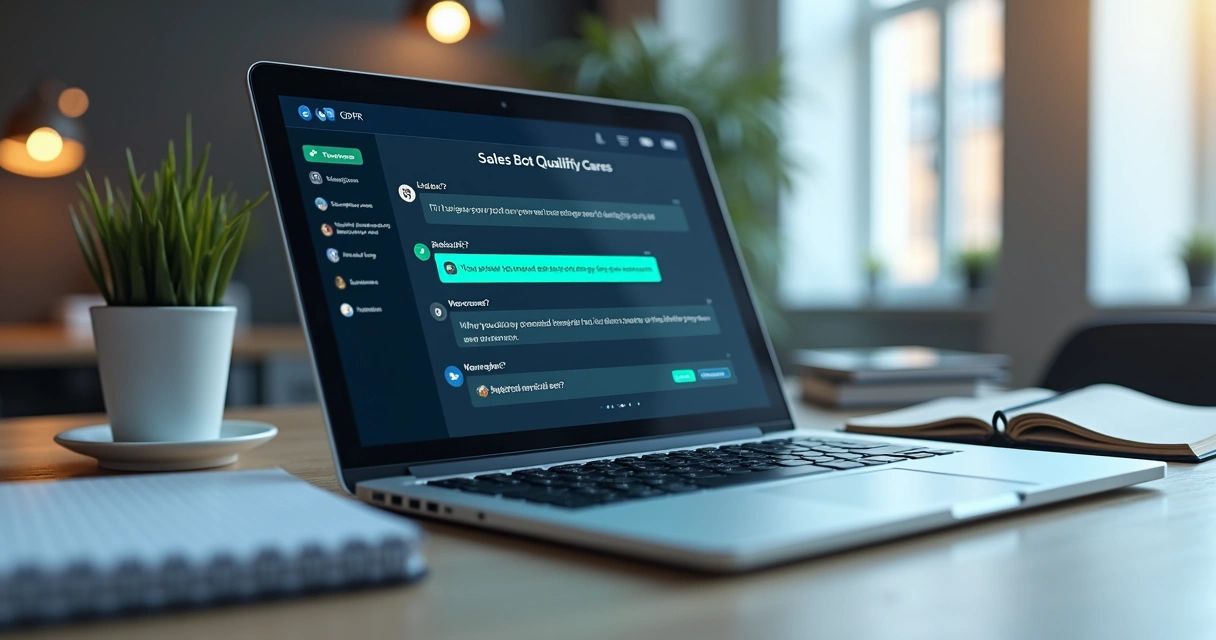
This isn’t just theoretical. In our own deployment for Everdados clients, we’ve seen sales teams save hours each week while increasing conversions. Our bots never forget a follow-up, never lose a note, and always act based on your custom qualification logic, not canned SaaS scripts.
Key benefits for European SMEs: Why automation wins
Let’s break down the main outcomes that matter for small and mid-sized businesses trying to grow in the European market.
1. Reduced manual work, fewer errors
When you put repetitive tasks on autopilot, your team gains back hours per week. They can focus on closing deals, creative strategy, or customer care instead of manual data entry and cold follow-ups. This means lower payroll costs and fewer expensive mistakes.
2. Instant engagement, no leads left waiting
Prospects today expect immediate answers, and the business that responds first usually wins. With an automated assistant, every lead gets follow-up right away, 24/7.
3. Customization and control, not generic solutions
Unlike SaaS tools with fixed scripts, our custom bots match your qualification steps exactly, plug into your CRM, and follow your GDPR policies. You decide what “qualified” means and control every question asked.
4. Real cost savings
Automated bots mean you don’t have to hire extra staff (or settle for unreliable freelancers) just to manage leads. The bots can handle hundreds or thousands of contacts without extra payroll cost. And because you never miss a deal through slow response, your return on investment grows.
5. Better data and analytics
Every conversation, answer, and handoff is logged for easy reporting and learning. You see what works, where leads drop off, and which questions really matter.
How sales bots actually work in lead qualification
Enough theory. How do these smart assistants operate day-to-day within an SME’s sales process? Here’s the typical flow we’ve built into Everdados deployments.
- First contact: The AI assistant greets the lead, through web chat, email, or messaging app, within seconds, not hours.
- Discovery questions: The bot asks a series of questions designed to learn key facts (budget, need, timeline, company size, location, etc.), adapting in real-time based on each reply.
- Qualification scoring: Responses are instantly scored, following a set of rules you design (or we help build), for example, skipping ineligible leads and flagging hot prospects.
- Escalation and scheduling: High-potential leads are invited to schedule a call or demo, with calendar integration for your team. Lower-potential leads may get an email sequence or periodic check-ins.
- Data logging and CRM update: Every step is logged in your CRM, synchronizing contact details, interaction logs, and scores under GDPR-compliant policies.
- Handover to a human: Once the prospect is ready or has complex questions, the bot seamlessly loops in a real sales rep for the close.
This flow is fully customizable. Unlike off-the-shelf SaaS, you have full control over every step, which questions are prioritized, how responses are scored, and how handoff happens, so it always matches your unique sales process and compliance needs.
Real-world impact: Data and results
As forecasts from California Management Review indicate, the AI sales solutions market is projected to reach over $93 billion by 2030, thanks to advancements in generative AI and predictive analytics. This trend is gaining traction fastest among agile businesses that can’t justify a warehouse of sales staff, but still want to outperform their market.
Further, research from the University of Arkansas demonstrates how AI-powered bots analyzing chat signals can distinguish motivated buyers within minutes, helping human teams avoid wasting time on window-shoppers. With digital sales channels now the norm, this edge matters more than ever.
Personalization: Turning data into meaningful conversations
One major complaint about old-school chatbots is the robotic, impersonal feel. Today’s sales bots, especially when built on advanced natural language processing, avoid this trap.
Here’s how:
- They analyze what the lead types, not just how they click. Actual words and context matter.
- Follow-up questions change based on answers, so each user feels heard, not forced down a canned path.
- Language, tone, and even timing can be adapted for each user’s profile, something generic SaaS tools rarely offer.
- CRM data triggers personal touches: “We saw you downloaded our pricing guide last week” or “Welcome back!”
- If a buyer hesitates, bots can offer help, direct to FAQs, or suggest a call, all without sounding intrusive.
We’ve seen this shift in Everdados clients: bounce rates drop, replies grow, and user satisfaction increases. People want to talk with businesses that listen, and smart automation makes that human touch scalable.
24/7 support: Never missing a sales opportunity
A key advantage for European SMEs: bots don’t take weekends or holidays off. A well-set-up assistant can support and qualify leads around the clock, in any language your team covers.
This matters for busy owners who can’t monitor the inbox every hour, or companies selling across time zones. The cost of a missed follow-up at 9pm? A lost customer, especially in competitive industries.
Your next big deal might send their first inquiry on a Sunday night.
By automating first response, qualification, and follow-up, you ensure no hot prospect ever waits for an answer, no matter when they reach out.
Integration with CRM and your existing tools
A good sales bot doesn’t replace your tools, it connects them. Integration with CRM systems is key for tracking, measurement, and compliance. Here’s what we’ve seen work best in Everdados solutions:
- Automatic creation of new contacts in your CRM, using valid data capture for GDPR.
- Instant logging of all messages, transcripts, and user actions.
- Tracking of qualification scores, lead source attribution, and engagement history.
- Workflow triggers for your sales team, so they know exactly when to step in.
- Daily or weekly reports that keep you in control, rather than drowning in data.
Unlike generic SaaS platforms, custom bots are designed to speak to your specific apps, use your terminology, and deliver only the insights you care about. This reduces complexity and risk from data re-entry or broken integrations.
Data analytics: Understanding the complete journey
If you can’t measure it, you can’t improve it. That’s why data analytics sits at the heart of every Everdados sales bot deployment.
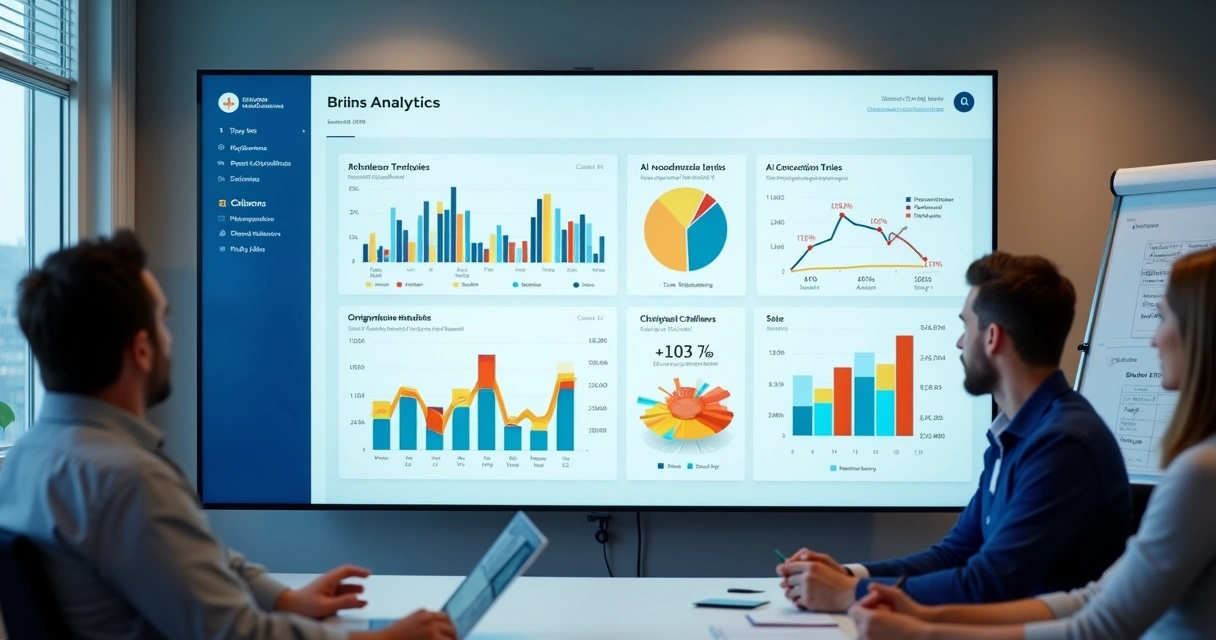
Every interaction is logged, scored, and available for analysis. You can see conversion rates by channel, question drop-offs, how different scripts perform, and where prospects become customers.
We’ve helped clients spot hidden choke-points, fix misaligned questions, and learn what nudges move users forward. This kind of feedback is priceless, and just not possible with simple auto-responders or mass email tools.
And because we work with European SMEs, we make sure all analytics are GDPR-compliant, using hashed identifiers and aggregate reporting for privacy protection. No need to sacrifice insight for safety.
Comparing automation to traditional sales processes
Let’s compare, side by side. How does a sales bot stack up against manual qualification, the “old way” practiced in most small businesses?
- Speed: Manual qualification can take hours or days if staff are busy. Bots reply instantly, at any hour.
- Coverage: Human teams often ignore or forget low-priority leads. Bots don’t filter based on workload, every inquiry gets a response and a fair shot.
- Consistency: Humans get tired, distracted, or forgetful. Bots ask every required question, every time.
- Cost: Manual outreach means salary, training, and risk of turnover. Bots are far cheaper long term, and custom versions like Everdados can replace multiple SaaS apps in one.
- Reporting: Manual notes are lost or incomplete. Automated systems generate full logs and analytics.
- Compliance: Staff may mix personal and business data or mishandle consent. Custom bots can build in compliance at every step, reducing risk.
The difference is not just a few percentage points. In some cases, we’ve seen SMEs double or triple their conversion rate after switching from manual processes, just by never missing a follow-up and asking the right questions up front.

Practical steps: How to get started with sales bot automation
Ready to trade wasted hours and missed revenue for clarity and control? Here’s a simple roadmap that we follow when helping European SMEs automate lead qualification and engagement.
- Map your current process. Where do leads arrive? What questions matter most for qualification? Where do handovers happen?
- Identify opportunities for automation. Which steps could be automated without losing the human touch? Hint: it’s almost always first replies, routine questions, scheduling, and data logging.
- Define your rules and data needs. What makes a “good lead”? Which triggers handoff to a salesperson? What forms of consent do you need under GDPR?
- Choose custom, compliant tools. Out-of-the-box SaaS may skip key rules, ask for too much unnecessary data, or risk non-compliance. This is why Everdados builds custom flows: your language, your rules, your privacy standards.
- Integrate with CRM and core systems. Don’t rely on generic connectors that break or lose data. Reliable integration makes analytics and follow-up easy.
- Iterate and learn. Use analytics to repair drop-off points, refine qualification logic, and personalize at scale.
- Train your team. Human staff must know when to step in, how to review bot logs, and how to interact with qualified leads handed over by automation.
For deeper direction on process mapping and the common pitfalls, our detailed guide on common failures when automating small business processes is a helpful next step.
Nurturing leads: Beyond qualification
Qualification is only half the story. Sales bots also help nurture leads who aren’t ready to buy yet.
They can send periodic check-ins, share custom content, alert users to webinars or timely offers, and remind prospects about next steps. All touches are tracked and recorded, so you learn what converts and why.
This keeps your database warm and growing, prevents leads from going cold, and ensures your competitors never get between you and your prospects.
Ensuring GDPR and regulatory compliance
For European businesses, compliance isn’t optional, it’s a mandate. Bots touch personal data at every step. Here’s how Everdados approaches GDPR and other local laws in automated qualification:
- Full logging of user consent at first touch and throughout the conversation.
- Automated deletion or anonymization routines, when users request removal or data is no longer needed.
- On-demand access for users to see, correct, or remove their info.
- Custom scripts to ensure only relevant, necessary data is captured for sales purposes.
- Localized flows for countries with stricter rules than the EU baseline.
Too many global SaaS tools treat this as an afterthought, which becomes a risk for SMEs if regulators come calling. By building custom flows, you have full control and peace of mind.
Our automation and AI-focused content on business automation and artificial intelligence in SMEs dives deeper into these regional nuances.
When do humans need to step in?
You might wonder: do bots risk making the customer journey cold, robotic, or frustrating? When is a real human necessary?
Our view is simple: Bots are experts at sorting and moving leads forward, but humans are essential for creative, complex deals and emotional connection. The magic is knowing where the handover should happen.
- If a lead asks a question outside scripted logic, or signals buying intent with urgency.
- If technical or price objections arise that need negotiation or judgment.
- When it’s time to close the deal, present custom offers, or build long-term trust.
Bots triage and inform. Your team closes and connects. Done right, one makes the other more effective, and together, they deliver far better results than either alone.
Addressing trust and transparency concerns
Customers are becoming more aware of bots and AI in their buying journey. Some are fine with automation; others appreciate full transparency.
Clear, honest disclosure builds trust:
- Introduce bots clearly (“I’m our automated assistant, here to help qualify your request”).
- Let users opt for human help at any step.
- Explain why questions are being asked (e.g., “We use these to offer the right product and schedule a call if you wish”).
- Publish your privacy and data handling policies openly.
Our experience: most leads are happy to speak with a bot as long as they see quick value, answers, convenience, and the option for human help when needed.
Cost savings: The business case for custom bots
Software built exactly for your sales process always outperforms a patchwork of generic apps or outsourced labor. Here’s why:
- One-time investment replaces growing monthly SaaS fees.
- Your unique workflow, rules, and languages reduce wasted time and errors.
- Built-in GDPR and data management cuts risk, potentially saving thousands in legal costs.
- The same system scales as you grow, rather than needing constant upgrades or retraining.
Everdados clients have seen lead qualification costs fall by up to 60% compared to paying salaries or freelancer fees, with conversational AI agents like those described on our lead reactivation blog delivering more results, more reliably.
Plus, with data in your hands (not locked in a SaaS vendor), you maintain ownership and flexibility as your business evolves.
Risks and pitfalls: What to watch out for
No system is perfect. While sales bots offer real advantages, here are a few risks we alert clients to:
- Poorly designed flows that annoy users or lose context.
- Over-automation, skipping human steps where needed.
- Insufficient GDPR controls, risking regulatory fines.
- Too much complexity if you try to automate every small exception.
- Forgetting to train your team to partner with bots, not compete against them.
The best automated system is one that’s simple, transparent, and always improves through learning. We help clients find the right balance.
Seeking help: When to call in experts
Implementing automation for qualification, nurturing, and compliance is a technical project, and not every SME has the in-house skills to do it alone.
Work with teams that know your market, are familiar with European laws, and can design solutions for your process, not just the generic average. Transparent consultation, clear contracts, and data privacy top the list in every project we deliver at Everdados.
If you need inspiration or are stuck, our searchable resources highlight more SME success stories, case studies, and process ideas.
Conclusion: Better sales, less hassle, with the right automation
Manual lead qualification and engagement are broken models for most European SMEs. Too slow, too expensive, too risky. Custom sales bots change the math: every lead gets attention, sales staff focus where they add real value, GDPR rules are baked in, and your data works for you.
We believe every owner deserves this peace of mind, not just the large corporates with unlimited software budgets. If you’re ready to recover lost deals and free your team from repetitive tasks, take the next step with Everdados.
Contact us to see how we can automate your sales process and build competitive advantage, on your terms, for your market.
Frequently asked questions
What is a sales bot?
A sales bot is a digital assistant that uses automation, artificial intelligence, and process logic to interact with leads, answer questions, and qualify prospects in your sales funnel. These tools can engage visitors automatically by chat, email, or voice, collect key data, categorize leads, and keep your team informed instantly. Custom bots, like those we build at Everdados, allow for GDPR-compliant data handling, language customization, and seamless integration with your business tools.
How does a sales bot qualify leads?
Sales bots qualify leads by asking structured questions and analyzing responses to determine how ready each prospect is to buy. The bot follows your company rules (budget, need, authority, timeline, etc.), adapts its questions based on answers, and assigns scores or priorities in real time. It can also interpret chat signals or user behaviors, quickly sorting genuine buyers from browsers. All the results are logged to your CRM, creating a clear handoff to human sales agents.
Are sales bots worth using for sales?
For most SMEs, the answer is yes. Automated qualification and follow-up save time, reduce manual errors, cut costs, and increase conversion rates. Bots ensure that no lead is left waiting and every step meets your compliance needs. With a custom approach, as used by Everdados, businesses outperform generic SaaS tools and achieve a faster return on investment.
How much do sales bots cost?
Costs vary depending on customization, features, and complexity. Custom solutions generally involve a one-time investment, with ongoing support or minor updates as needed, and can replace recurring monthly software fees. This makes them more cost-effective over time for SMEs, especially when compared to hiring extra staff or relying on freelancers. Get in touch with us for a tailored estimate.
Can sales bots increase customer engagement?
Absolutely. Sales bots provide fast, accurate, and personal replies 24/7, ensuring every lead feels heard and supported from the first touch to final sale. By nurturing prospects, following up consistently, and generating timely content, bots keep users engaged and far less likely to drift away. The result is a more responsive sales process and better customer experience.