Small and medium-sized enterprises across Europe face daily challenges that off-the-shelf digital tools don’t always address. As the digital world expands rapidly, these businesses must decide whether to adapt generic tools or invest in something tailored to their needs. We see the difference firsthand at Everdados. That’s why we believe in walking through what makes a tailored digital solution so distinct, how it works, when it makes sense, and what small businesses should consider before making the leap.
Understanding what tailored software means for SMEs
Made-to-order software—often called custom software—is created specifically for one business, considering its processes, challenges, and goals.
Off-the-shelf software, by contrast, is built for the masses. It’s ready to use, often affordable at the start, but not designed with a particular company in mind. You pay for features you may not use, and you might not get the functions you want most. Think of it as the difference between a suit tailored just for you and one bought off the rack in a shop.
A tailored fit changes the way you feel—and work.
For SMEs (small and medium-sized enterprises), choosing between ready-made tools and a made-to-order platform is a turning point. It impacts not just cost, but also growth, operations, and even staff engagement.
Comparing custom and off-the-shelf solutions: what sets them apart?
The differences go far beyond price and setup time. Here’s how both approaches compare in ways that matter most to European SMEs:
- Flexibility: Tailored solutions bend and grow with your business, while standard tools often limit you to their fixed settings.
- Integration: Ready-made tools may not connect with your current systems smoothly. Custom-built software is designed to fit and connect seamlessly with your data, departments, and other digital tools.
- Ownership: With a bespoke build, you own the platform and the data structure. Off-the-shelf tools typically only offer licenses, restricting how and where you use them.
- Compliance: Following regulations (like the GDPR) is baked directly into a made-to-order solution.
- Support and updates: For generic platforms, you wait on updates or bug fixes. With custom platforms, each upgrade targets your unique needs.
Still, the decision is never one-size-fits-all. Let’s walk through the core process of developing bespoke solutions, and the decisions that matter for European entrepreneurs and leaders.
How the custom development process works
Building a digital tool from scratch, designed for an individual company, follows a careful and methodical approach. In our experience at Everdados, the process works best when broken into five distinct phases:
- Needs assessment:
This first discussion is foundational. We sit with the SME’s team, ask about how they work, their market, and where generic tools fall short. Sometimes we see broken workflows, disconnected systems, or time lost to manual reporting. We help uncover pain points and set priorities: What are you struggling with? What must improve? What kinds of data or steps does your business depend on daily?
- Planning and design:
A project plan emerges from these findings. We map out functions, interfaces, and connections—always in plain language, never jargon. This stage ensures both business owners and technical teams are on the same page. We also consider compliance from the start.
- Development and testing:
Now code takes shape. Our team builds the workflows, dashboards, automations, and integrations, all informed by the earlier research. We iterate with frequent feedback, so business users can test ideas early and help guide progress. This back-and-forth is the heart of a successful project.
- Integration:
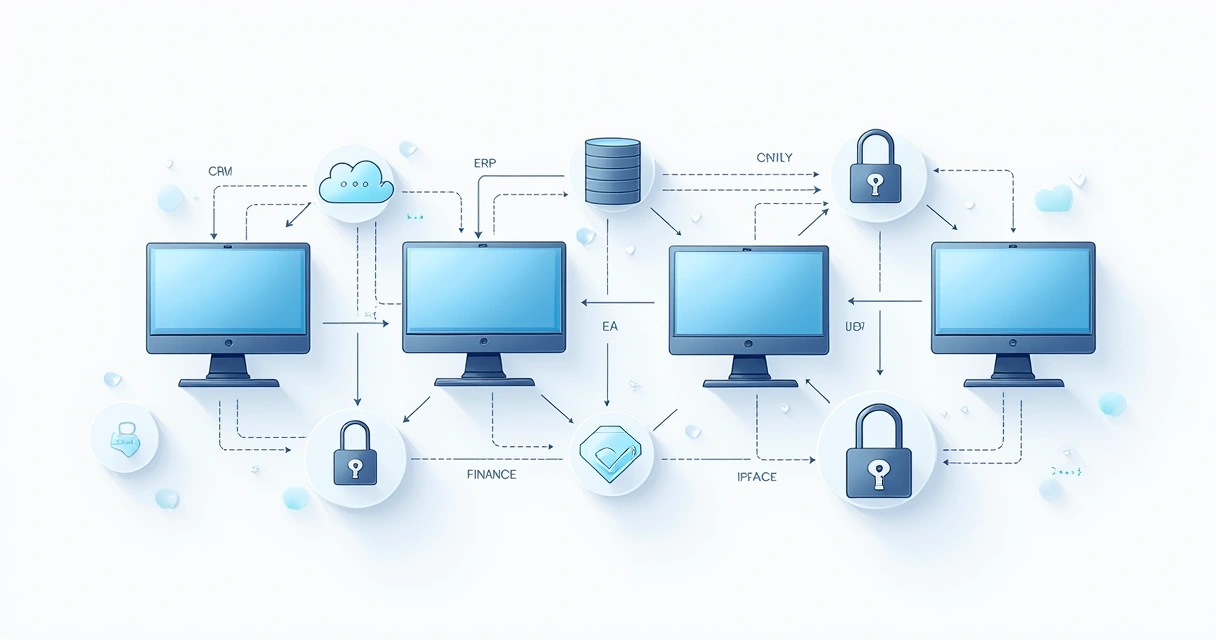
New tools rarely stand alone. We see the value in linking new platforms to legacy systems—be it accounting software, ERPs, or even a CRM used for years. Data must flow with no friction. Our team ensures that nothing falls through the cracks and that teams do not need to double their work.
- Ongoing support:
What makes tailored digital tools different is that support doesn’t stop at launch. Business goals change, new regulations come into effect, and small tweaks can mean big wins over time. We stay close, handling upgrades, security auditing, and serving as a real partner.
At every step, the business owner is included. We believe transparency and two-way feedback are key.
Real-life benefits for European SMEs
Why do European companies choose to invest in platforms built for their organization? In our work, we see four main advantages stand out:
- Alignment with how you work
Off-the-shelf solutions force businesses to adjust their work routines to fit “the software’s way.” With custom tools, the process runs the other direction: systems match your team’s habits, workflows, and quirks. This leads to stronger adoption and fewer mistakes.
- True integration with other systems
Businesses rarely operate with just one digital platform. Custom-built tools are created to talk to existing databases, websites, payment gateways, and even hardware. All your data lives in one place, updated in real time.
- Growth without pain
Custom platforms are built to scale—supporting more users, more complex data, or broader business services without a total overhaul every year.
- Standing out in the market
When you operate with the same off-the-shelf tools as every other company in your sector, it’s hard to differentiate. We’ve seen SMEs use custom workflows or new digital services to attract customers and partners by offering something no one else has.
Sometimes one small improvement changes everything for a business.
To delve deeper into how automation tied to tailored platforms can drive change for SMEs, we suggest reviewing recent insights on business process automation and learning about 7 common mistakes in automation on SME projects here.
Challenges that require careful planning
Clearly, the drawbacks matter too. In our experience, these are not minor details. What holds many SMEs back is fear of high costs, long timelines, or becoming dependent on a development team. Let’s bring some practical context to each of these concerns.
- Initial cost: Building a platform from scratch can require more up-front investment than simply paying a monthly license. Ownership, flexibility, and reduced future costs balance things in the longer run, but the first phase must fit your budget.
- Development timeline: Ready-made programs are available today, while a bespoke tool can take weeks or even months to build—especially in larger or regulated sectors. We urge clients to weigh urgency against how much change is needed.
- Supplier dependency: Custom software means that updates, security, and fixes rely on a development partner. Picking a trustworthy, transparent provider is critical. We always encourage clear contracts and shared documentation.
- Maintenance: Unlike off-the-shelf software that includes generic updates, ongoing care and improvements for custom tools are part of the package. It’s both a benefit and a responsibility shared with the client.
Many of these barriers can be addressed by open communication, solid contracts, and an honest plan for long-term support.

Cost comparison: tailored vs. ready-made digital solutions
The price tag is usually where the discussion turns serious. Custom solutions start at a higher price point, but let’s make the comparison clear and practical:
- Upfront expenses: Tailor-made software requires more effort at the beginning: requirements analysis, design workshops, and coding all add up. This could mean a four-figure or five-figure investment, depending on complexity.
- Ongoing costs: Licensed software often charges monthly or annual fees that never expire, stacking up as you add users or modules. With bespoke tools, after the launch fees, updates and support are the main recurring costs—which are predictable.
- Long-term value: Custom platforms can save money by reducing manual work, eliminating unneeded licenses, and letting your business adapt faster.
For many SMEs, the return on investment turns positive within 12–24 months when the solution replaces three or more disconnected apps, cuts down on double entry, or automates routine steps.
What you spend at the start, you often save many times over down the road.
Of course, no two projects are priced the same. Complexity, sector, the number of integrations, and data privacy needs all play a part.
You can see more by checking our resources on software tailored for SMEs in Europe, which compare project types and highlight typical use cases.
When a custom solution is the better choice?
In our experience at Everdados, some scenarios clearly call for something unique:
- Highly specialized business processes: For example, a niche logistics company might need route planning, cost calculation, and regulatory documentation all in one workflow—solutions generic transport apps can’t achieve.
- Integration with local regulatory requirements: A business operating in multiple regions must ensure compliance with GDPR or sector-specific data practices. Tailored software bakes these needs directly into the architecture.
- Combining legacy systems: Family-run businesses with legacy databases want to modernize without losing their historical records or workflows. A custom platform can bridge old and new.
- B2B or B2G platforms: When connecting not just with end users but also partners or even government portals, reliability and integration options become non-negotiable.
- Customer-facing portals and apps: When the client experience defines your brand, details like language selection, user flows, and accessibility need close attention.
On the other hand, if your company has general needs—standard accounting, simple inventory—off-the-shelf tools can be enough for now.
If your goals are unique, your solutions should be too.
Find more examples in our discussion about connecting European SME systems by 2026, including case studies on integration and legal challenges.
Common pitfalls and specific challenges for European SMEs
We see some recurring errors when organizations first consider bespoke platforms:
- Poorly defined scope: When requirements are unclear, costs rise and timelines slip. One tip: start with a minimum viable product (MVP) and build features in stages.
- Ignoring data privacy and digital security: With global data volume rising to 175 zettabytes by 2025, according to OECD analysis, European companies must treat personal and business data with greater care than ever.
- Underestimating user training and change management: The best software fails if users do not adopt it. We recommend building time into the project for onboarding sessions and follow-up support.
- Lack of long-term support planning: Businesses change, as do compliance rules. Make sure your provider is available—not just during delivery, but for the years ahead.
Every business has unique needs, but careful planning and guidance help avoid these struggles. For those interested in using conversational AI for European SMEs, see our resources on conversational intelligent solutions and their direct business benefits.
How we see trends evolving for European SMEs
Our work in the European market tells us: digital transformation for small businesses is accelerating. More data, stricter privacy laws, stronger expectations for customer service—the pressure is rising. At the same time, off-the-shelf apps change fast, raising monthly fees, or shifting their focus away from small clients.
Custom platforms let companies keep control. They own their tools, their data, and their roadmaps.
We expect to see more SMEs choosing made-to-order tools not just to save on license fees, but to embrace automation, connect to new markets, and comply with changing regional rules.
Control today means freedom to grow tomorrow.

For a deeper look at successful software projects and digital strategy, our resources include sample case studies, process maps, and lessons learned—and we’re always ready to discuss specific scenarios.
Conclusion
Custom-built platforms are never just about code. They’re about aligning technology to the reality of unique businesses—reducing daily headaches and unlocking new paths to growth. For European SMEs, the choice to go bespoke can mean more than just owning their digital future: it can mean faster, stronger, safer progress. At Everdados, we take pride in building these pathways, standing beside our clients for each step of their digital transformation. To see how a tailored solution could change the path for your business, reach out to our team for an individual assessment and start your journey today.
Frequently asked questions
What is custom software for SMEs?
Custom software for SMEs is digital technology built specifically for one business, considering its operations, sector, and needs—rather than offering generic features for all. This means the platform’s structure, data flow, and user experience are sculpted around your unique processes and compliance needs, from the ground up.
How much does custom software cost?
Annual costs can range from several thousand to tens of thousands of euros, depending on features, complexity, integrations, and ongoing support. The initial investment usually covers business analysis, development, integration, and user training, while ongoing maintenance covers updates and support. What matters most is the value received—many SMEs see payback within two years as manual work drops and operations run smoother.
Is custom software worth it for small businesses?
For SMEs with unique processes, sector-specific compliance needs, or plans for growth, custom solutions often unlock benefits beyond what standard software can offer. If your current tools leave you relying on spreadsheets, double-entry, or patchwork integrations, tailored technology is usually the right choice.
How to choose a custom software provider?
Look for partners with:
- Experience working with SMEs and your sector
- Clear and transparent communication from proposal through delivery
- Strong references and sample projects
- Proven understanding of data privacy and European regulations
- Commitment to long-term support
What are the main benefits of custom software?
The main benefits are: perfect fit for your processes, easy integration with existing systems, improved ability to grow or scale, and a chance to stand out from competitors. Additionally, you own your data and structure, with the ability to adapt as business or regulatory needs change.