
In the past few years, I've witnessed European small and medium-sized enterprises go through a digital shift that feels both intimidating and exciting. For years, sales teams have balanced manual CRM updates, repetitive follow-up emails, lead sorting, and customer inquiries—all of this, day in and day out. The arrival of AI-driven tools brought real change, making the old ways look slow and costly.
Today, let's talk about what a sales AI agent really means for a growing business, how you can apply it, and what to expect when technology begins working alongside your people. My own experience with Everdados showed me that, with the right approach, SMEs can compete with the biggest players—not in size, but in speed, accuracy, and customer experience.
Understanding sales AI agents and their main roles
A sales AI agent is a digital assistant that automates, initiates, and manages parts of the sales cycle using machine learning, natural language processing, and rule-based decision-making. But that's only the starting point. These agents don't replace humans—they support and extend your team.
- They can handle high volumes of customer conversations without fatigue.
- They follow up with leads night and day, personalizing each contact based on past data.
- They connect with your CRM and messaging platforms, moving information smoothly between systems.
- They recognize buying signals, ask the right questions, and qualify leads before a human ever picks up the phone.
When I think about European SMEs, I often see a few people wearing many hats. Sales AI lets those people offload repetitive work so they can focus on closing deals and building relationships.
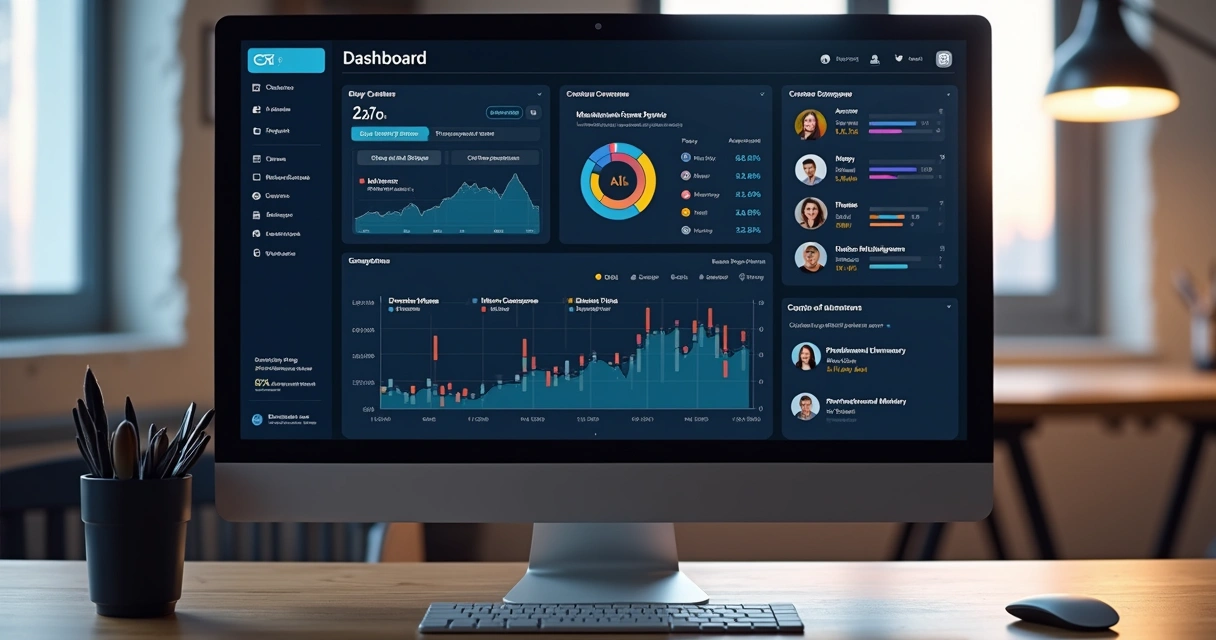
The essential functions of a digital sales assistant
Automating everyday tasks
Filling out contact details, data entry, scheduling calls—these things eat up hours. With AI powering the background, I've seen businesses reclaim that lost time. The agent updates the records, logs every message, and makes sure nothing slips through the net.
Lead qualification and pre-sales interaction
A big challenge for small teams is sorting real prospects from time-wasters. Digital agents can:
- Initiate chats across website, WhatsApp, or email.
- Ask qualifying questions based on previous interaction data.
- Mark hot leads for immediate follow-up by your sales team.
This blend of automation and intelligence multiplies your reach without extra staff.
Integrating with your business systems
One complaint I hear often is about "tool fatigue"—too many apps and not enough connection. Sales AI agents work best when they sync smoothly with your existing CRM, calendar, and sometimes even your invoicing system. Solutions like the ones developed by Everdados aim to eliminate double entry, lost conversations, and scattered information.
Delivering instant service, 24/7
Imagine a client contacting your company at midnight for product info or to schedule a demo. With the right AI, the answer is instant, polite, and on-brand. The next morning, a complete log is waiting for the sales rep. No one gets left waiting, and you capture interest when it’s highest.
Every missed follow-up is a missed opportunity—and AI never forgets.
The unique advantages for European SMEs
Having advised several SMEs, it’s clear that AI solves problems familiar to almost every growing business in Europe:
- Language barriers: Agents communicate in native languages.
- GDPR compliance: They ensure data handling follows strict rules, creating audit trails for every contact.
- Scaling outreach: You can serve hundreds or thousands of contacts without hiring at the same rate.
Companies such as Everdados build these solutions with the reality of European regulations in mind. They bring technology that's not just smart, but also responsible and compliant by default.
Key use cases for sales automation with smart agents
I've had the chance to witness many practical examples. Here’s what often stands out:
Reactivating dormant leads
Your CRM is full of contacts who showed interest in the past but never closed. An AI-powered agent can:
- Identify and segment lost or inactive leads.
- Trigger personalized re-engagement campaigns.
- Automatically follow up at optimal times.
For a deeper look at automated lead reactivation, I recommend reading about it in the Everdados lead reactivation knowledge base.
Automating initial responses and qualification
When new leads arrive through your website, chat, or email, quick response times make a difference. With a digital agent handling the first touch, prospects feel attended to in seconds, not hours or days. If the conversation reveals a high-potential sale, the lead gets routed immediately to a human rep.
Appointment booking and calendar coordination
Instead of phone tag or email ping-pong, the AI handles scheduling directly in your team’s calendar, reducing friction and no-shows.
Providing up-to-date product info and pricing
Sales agents powered by AI distribute the latest details about your offerings, explain pricing, and share brochures or presentations—all without manual intervention. I've seen decision speed increase when prospects have all the info they need upfront.

Predictive analytics and next-step suggestions
With enough data, AI can guess what a lead is likely to do next—or which touchpoint to deploy for the best result. For example:
- Suggesting the right follow-up time or channel based on lead behavior.
- Recommending cross-sell or upsell offers mid-conversation.
- Notifying your team about leads showing signs of churn, giving you a chance to act proactively.
AI brings structure and consistency to sales outreach, making sure each lead is treated with the attention they deserve.
Personalization in the era of machine-driven sales
One thing I often hear is this: "Will my brand feel less personal with AI involved?" But in my practice, I find the opposite. Advanced agents don’t blast generic messages. Instead, they:
- Address recipients by name and mention relevant purchase history.
- Adapt tone to the stage of the sales funnel: friendly and helpful for new inquiries, more detail-oriented when closing a deal.
- Offer tailored product recommendations or content based on digital footprints and preferences.
In a world overrun by spam and noise, true personalization stands out. When I worked with companies equipping their sales teams with custom AI tools, customer satisfaction consistently improved.
People remember when you treat them as individuals, not just records.
Compliance and privacy in European markets
Personalization can make some businesses anxious due to strict data usage laws. However, with projects like Everdados, smart agents are designed upfront to comply with GDPR and similar frameworks. This includes:
- Consent management before processing personal info.
- End-to-end encryption and clear audit logs.
- Tools for rapid data removal or anonymization upon request.
I see these safeguards as non-negotiable, not only for legal reasons but to maintain customer trust.
Comparing technologies and digital sales platforms
As someone immersed in the world of business automation, I know that not every AI platform is built the same way. Here’s how I usually break down the choices:
Conversational AI vs. rule-based bots
- Conversational AI relies on natural language understanding, engaging customers in free-form conversation, learning from input, and improving over time. They pick up on sentiment and context, making for a smoother, more “human” dialogue.
- Rule-based bots require the user to follow pre-set menus or button clicks. They are reliable for simple interactions but can feel rigid if a customer asks something unexpected.
For most SMEs, I recommend starting with conversational AI—at least for initial lead qualification and customer queries. It covers more ground, and customers respond better to a natural, adaptive approach.
Integration approach: Stand-alone or fully embedded
- Stand-alone tools handle basic tasks but often need manual updating and can’t share information easily.
- Integrated platforms (like those I’ve seen from Everdados) connect directly to your CRM and marketing tools. This leads to higher data accuracy and fewer information silos.
Whenever possible, choose the option that syncs with your current setup. That prevents future headaches and keeps your sales pipeline flowing.

Strengths of AI agents alongside traditional sales staff
Instead of seeing digital agents as replacements, I see them as multipliers. They handle:
- Quick tasks and first-line filtering.
- Routine queries that don’t require human nuance.
- Data collection and reporting on customer behavior.
This offloads your sales team, letting them concentrate on complex negotiations and relationship-building. As one manager remarked to me, "My team stopped getting bogged down by small stuff and started focusing where it matters most."
Adopting AI sales technology: Steps for SMEs
Rolling out automation isn't a “set and forget” project. In every deployment I led, the best results came from following these stages:
1. Mapping your sales process and finding pain points
I always start with interviews—who’s doing what, where delays show up, what frustrates the team. Then I match each challenge to a potential solution:
- Lengthy lead response times? Automate first-touch interactions.
- Messy CRM data? Let the agent fill in and verify records.
- Lost sales from forgotten follow-ups? Trigger reminders and repeat touchpoints.
You can find helpful observations about typical mistakes in automation inside this post on common failures in small business process automation.
2. Checking IT compatibility and integration options
Not all legacy CRM tools are AI-ready. I work with your tech or operations team to review APIs, security requirements, and data policies. This step avoids costly surprises later on. If you’re unsure, reading more about integrating SME systems in the European context is a good place to get started.
3. Training and onboarding your sales team
AI is only as good as the humans who use it. I hold hands-on workshops where staff:
- See demos of the agent in action.
- Learn when to step in and take over a conversation.
- Trust that the AI won’t override but supports their work.
This helps people welcome the technology with less resistance.
4. Setting goals and KPIs
Set clear targets from day one—response speed, lead conversion rates, reduction in manual tasks, and customer satisfaction scores. Monitor them, adjust as you go, and celebrate wins as the team adapts.

5. Gradual rollout with feedback loops
Deploy the AI agent to a small segment first. Collect reactions from users and customers. Adapt the flow, tone, or integration as needed before scaling to all sales channels.
Common challenges faced by SMEs in AI sales automation
In my experience, the technical side of installing an AI agent is rarely the hardest part—people and process issues are.
- Change resistance: Some staff worry about losing their jobs, or feel unsure about using AI-driven tools. That’s why early training and transparency help.
- Data quality: AI depends on clean, accurate data. Garbage in, garbage out. I always urge companies to get their CRM house in order first.
- GDPR and privacy: Mistakes in compliance can mean heavy fines. Choose vendors, like Everdados, who build with privacy as a starting point.
- Over-automation: Not every interaction should be handled by a robot. Keep complex, relationship-heavy steps for humans. AI shines with high-volume or repetitive tasks.
- Expectation management: AI will not close every deal or read a customer's mind. Set realistic goals and communicate them across the team.
The future of digital sales for European SMEs
The trend is clear: smarter, more connected sales tools are becoming routine for small businesses, not just multinational giants. In the next few years, I predict:
- Growth in omni-channel digital sales: Prospects will shift fluidly between chatbots, social media, websites, and traditional sales calls. Consistency will matter more than ever.
- Deeper predictive analytics: AI agents will get better at reading intent, scoring leads, and suggesting winning tactics with less human oversight.
- No-code or low-code AI: More tools will allow non-programmers to shape their agent’s scripts and flows—or even train them in multiple languages or domains.
- More human-like conversations: The best AI will keep learning to sound natural, empathetic, and authentic, reducing the risk of customers feeling “handled by a bot.”
If you want to see more articles and updates on process automation, Everdados has a section dedicated to automation technologies.
Ensuring measurable business impact
I’m often asked: “How do I know this is working?” The answer is always in the numbers. In deployments I’ve run or observed for SMEs, successful projects showed:
- At least a 30%-50% decrease in response time for new leads.
- Sales staff spending less time on manual tasks and more time on real selling.
- Higher conversion rates from faster, more consistent lead outreach.
- Improved NPS and customer satisfaction scores, thanks to round-the-clock service.
Even better, these gains compound. The more feedback you gather, the more you train and tune your digital assistant, the greater the return.
Real-world improvement, not just buzzwords
My main advice: measure everything. Sales AI agents are not magic—they are practical business tools. Use clear targets, run experiments, adjust, and let results guide your next steps. I’ve watched small teams feel like much larger operations within months, all without ballooning their headcount or blowing their budgets.
For broader reading on how artificial intelligence connects to business growth, I recommend checking out Everdados’ artificial intelligence insights.
Conclusion
Adopting a sales AI agent as a European SME is less about technology and more about freeing your people to do what only they can do: build relationships, close deals, and grow your business with confidence. From automating small daily chores to responding instantly to customer inquiries across languages and platforms, AI-driven sales assistants change the way you work.
Having worked shoulder to shoulder with founders, sales reps, and tech partners, I’ve seen the best results with a thoughtful, step-by-step approach. Start small, measure, refine, and let your team learn the ropes. ERP, CRM, and digital messaging all connect more naturally when you partner with the right solutions—Everdados among them.
Smart automation is not about doing less, but achieving more with the same great people you already have.
If you want to see your sales process thrive, embrace the change and consider how Everdados’s AI agents and software solutions might fit your needs. Discover what your business can do when machines handle the routine and your team drives the results. The next move is yours.
Frequently asked questions
What is a sales AI agent?
A sales AI agent is a digital assistant powered by artificial intelligence that automates parts of the sales process, such as lead qualification, follow-ups, customer inquiries, and routine data entry, using machine learning and natural language skills to communicate and act on your behalf. These agents help businesses serve more customers, extend working hours, and ensure consistent responses without extra staff.
How do sales AI agents work?
Sales AI agents interact with leads and customers via chat, email, or other channels. They gather information, answer questions, suggest next steps, book meetings, and sync everything with your CRM. By connecting to business tools and using data-driven algorithms, they perform tasks automatically and learn from each interaction to improve over time.
Are AI sales agents worth it for SMEs?
AI-driven sales assistants are especially useful for SMEs that want to grow without hiring at the same rate, reduce manual work, and boost customer experiences. When implemented carefully, they help teams focus on closing deals instead of repetitive tasks, speeding up lead response and improving conversion rates.
Where can I find the best sales AI agents?
Reliable, GDPR-compliant sales automation solutions are offered by trusted providers that understand the European market, such as Everdados. Always choose a partner with proven experience in configuring, integrating, and supporting AI systems tailored for small and medium-sized businesses.
How much does a sales AI agent cost?
Pricing can vary based on the complexity, features, and volume of interactions. Basic chatbots may cost less, while tailored AI systems with deep CRM integration and multi-language support can require a bigger investment. It’s wise to consider total value, including time saved, higher lead conversions, and operational cost reductions. For tailored guidance, consulting with Everdados can help clarify what solution matches your budget and goals.