
Across the European SME landscape, competition grows fiercer each year. Acquisition costs are rising, customer journeys get more complex, and sales cycles can feel endless. Today, what stands between steady growth and missed opportunities is often the ability to automate, personalize, and scale sales processes. This is where the rise of sales AI agents comes into play. At Everdados, we have seen firsthand how artificial intelligence is reshaping how SMEs do business—from lead reactivation to sales automation and everything in between.
In this detailed guide, we explain what makes a sales AI agent powerful for small and medium businesses. We’ll show you how these systems go beyond chatbots, what problems they solve, how they fit within your existing tech stack, what implementation looks like, and where this technology is heading.
What is a sales AI agent and what does it do?
When we speak of a sales AI agent, we’re talking about software powered by artificial intelligence that handles key sales tasks, engages prospects, and supports the sales team— autonomously, but with deep integration into your specific business context. Unlike traditional chatbots or scripted rule-based tools of the past, a modern AI-driven sales agent “understands” conversations, analyses data from multiple sources, and adapts its interactions in real time.
The core functions typically include:
- Automated lead qualification and scoring based on predefined and adaptive criteria
- Personalized, timely messaging to prospects across different channels (email, chat, messaging apps)
- 24/7 customer engagement: answering questions, booking calls, or requesting documents
- Consistent follow-up with dormant or stalled leads—making sure no opportunity gets overlooked
- Seamless handoff to human salespeople when needed, with all relevant context transferred
- Syncing with CRM, marketing, and sales tools for a unified view of the pipeline
- Reporting and analytics for sales managers, highlighting bottlenecks and actionable next steps
AI-driven sales agents are more than automated responders—they are digital team members, working alongside humans to move deals forward.
We often find that SMEs, in particular, benefit from AI-powered sales agents because such teams are typically lean and every interaction matters. Let’s look at where these solutions bring the most noticeable value.
The core use cases for SMEs
Automating repetitive sales tasks
One of the main pain points for sales teams is the amount of time wasted on tasks that repeat hundreds of times each week. This includes sending follow-up emails, qualifying new leads, answering common questions, and collecting missing information. Sales AI technology takes over many of these high-frequency, low-complexity activities, freeing your team to focus on relationship-building and closing deals.
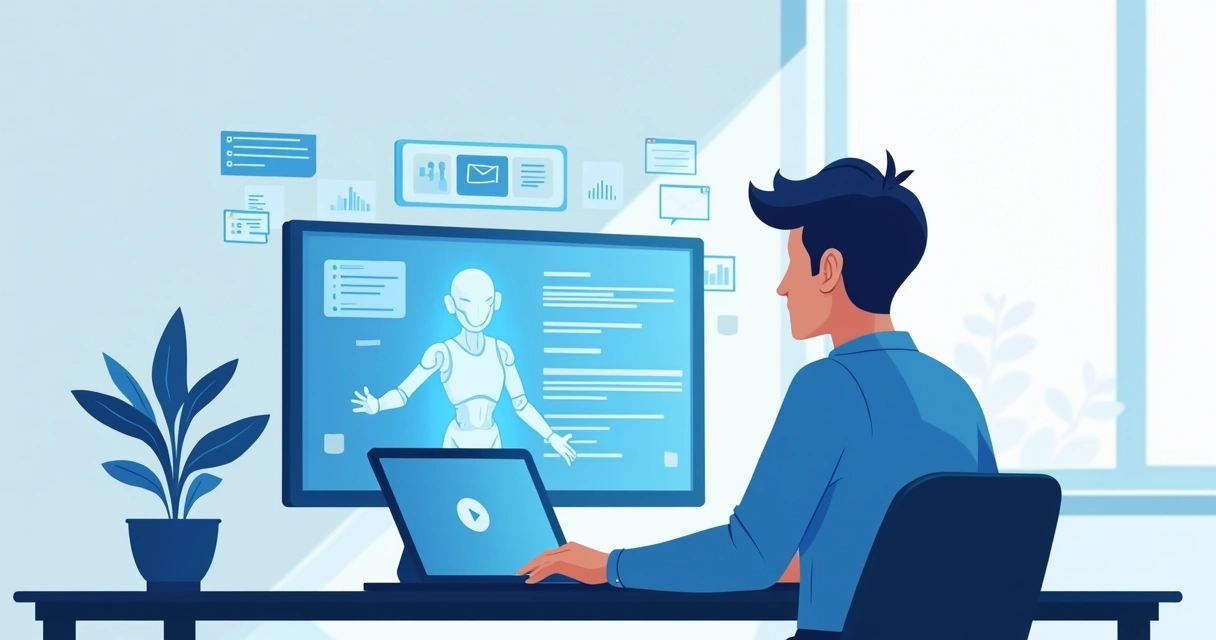
We see best-in-class sales AI agents handling these activities:
- Lead scoring from contact forms and website interactions
- Automated scheduling for demo calls and product walkthroughs
- Personalized drip campaigns to nurture cold or old leads
- Automatic reminders to prospects
- Responding instantly to inbound queries via chat or email
Qualifying and nurturing leads
Qualifying a lead is still part art, part science. AI-driven solutions improve the scientific part by analyzing behavior, engagement patterns, and profile data faster and more accurately than any human could. Each interaction can be scored, with the system prompting next actions or escalating to a salesperson if the prospect shows buying intent.
For nurturing—keeping leads active and interested over time—AI-powered platforms track where contacts are in the journey, adjust communications, and prevent potential deals from cooling off. We are able to recover significant value from dormant leads by automating these touchpoints.
Integrating with CRM and business systems
A true AI sales agent connects directly to your CRM, ERP, and communication channels, centralizing data and ensuring sales activities are always up to date. This integration reduces manual data entry errors, speeds up reporting, and allows the AI to provide hyper-relevant answers in live chats or email threads.
Effectively, this means:
- No more lost notes—conversations and changes are logged automatically
- Customer context travels with the lead from AI to human agent and back again
- Seamless automation of lead assignment, pipeline status updates, and follow-up reminders
Our implementation at Everdados often involves customizing these integrations, allowing European SMEs to respect sector regulations and unique workflow requirements. We have plenty of resources about business automation at our automation blog where we share practical tips and strategies for centralizing data across tools.
Delivering 24/7 customer interaction
Time zones, holidays, and weekends no longer get in the way when an AI assistant is answering website, WhatsApp, or email queries around the clock. These agents aren’t limited to FAQs—they can handle booking calls, basic negotiation, up-selling or cross-selling, and managing common objections, all in real time.
As a result, potential customers get what they need instantly, and the business collects more qualified leads while the human team rests.
Personalized messaging and predictive analytics
Personalization at scale means every lead receives messaging that feels crafted for their needs, but without extra manual work from your team. AI sales assistants are trained on historical data, learning which messages resonate best, which offers convert, and how to adjust tone or timing to suit different segments.
Predictive analytics come into play, producing insights such as:
- Identifying which leads are most likely to buy soon
- Suggesting the best times or channels for contact
- Anticipating objections or drop-off points in the buyer journey
- Highlighting where manual intervention would have the biggest impact
The real impact: Reducing costs, saving time, and scaling
Many SME owners fear that “automation” means faceless, generic outreach that harms relationships. In truth, a well-crafted AI in sales lowers manual work and operational costs, while helping teams dramatically increase both the volume and quality of prospect interactions.
With custom software development and conversational AI solutions, as provided by Everdados, here’s what SMEs report back to us:
- Sales teams spend more time talking to the most promising leads instead of qualifying every inquiry manually
- There’s less risk of “dead leads” languishing in the database—reactivation rates go up
- Faster responses mean higher conversion rates from website and campaign traffic
- Operational savings, since AI doesn’t take holidays or sick days, and the cost per interaction drops as volume grows
- Managerial insight improves, with dashboards showing pipeline bottlenecks and win/loss data based on real conversations

This new equilibrium—AI doing the heavy lifting, humans focusing on what matters—frees SMEs to expand without growing costs linearly.
How sales AI agents go beyond chatbots
Let’s clear up a common misconception: not every automated assistant is truly “AI-driven.” Many old chatbots are scripted decision trees—if a customer says X, respond with Y. These have a place, but are limited, rigid, and can frustrate prospects when conversations veer off script.
A true sales AI agent combines language understanding (using natural language processing, machine learning, and data analytics) to handle ambiguity, learn from experience, and personalize responses. It integrates deeply into your databases and business logic, escalating subtle signals that a generic chatbot would miss.
Modern AI assistants adapt their tone, content, and urgency—just like a skilled salesperson would.
This intelligence leads to better lead qualification, better follow-up, and, ultimately, more sales. For SMEs who might not have large in-house sales teams, it’s like instantly adding several top-performing reps, ready to work all day and night.
To learn more about the distinction between chatbots and advanced AI for businesses, we maintain extensive guides on our artificial intelligence blog.
Comparing main platforms and technologies
The ecosystem for sales automation in Europe is broad and evolving fast. Rather than focusing on specific competitor names, we look at the different types of technology underlying modern sales AI assistants:
1. Custom software AI agents
Custom-built, tailored for your CRM, databases, compliance requirements, and integrated processes. These are designed for maximum alignment with your workflows and branding. At Everdados, most of our implementations fall into this category, ensuring you aren’t boxed in by generic limitations or paying for unused SaaS features.
2. CRM-native AI modules
Some CRM suites now offer AI-driven extensions that automate follow-ups, assist with note writing, and predict win probability. Strengths include instant data access and easy adoption for teams who already work inside the CRM all day.
3. Multi-channel AI messaging
These solutions connect with messaging applications, social media, email, and websites, ensuring every prospect can reach your business wherever they prefer. They’re great for maintaining omnichannel presence and unifying conversations.
4. Analytics and forecasting integrations
Some businesses deploy standalone AI analytics that forecast pipeline trends, identify slipping opportunities, and recommend next actions. These can be paired with conversational agents for an added layer of decision support.
How AI complements your human team
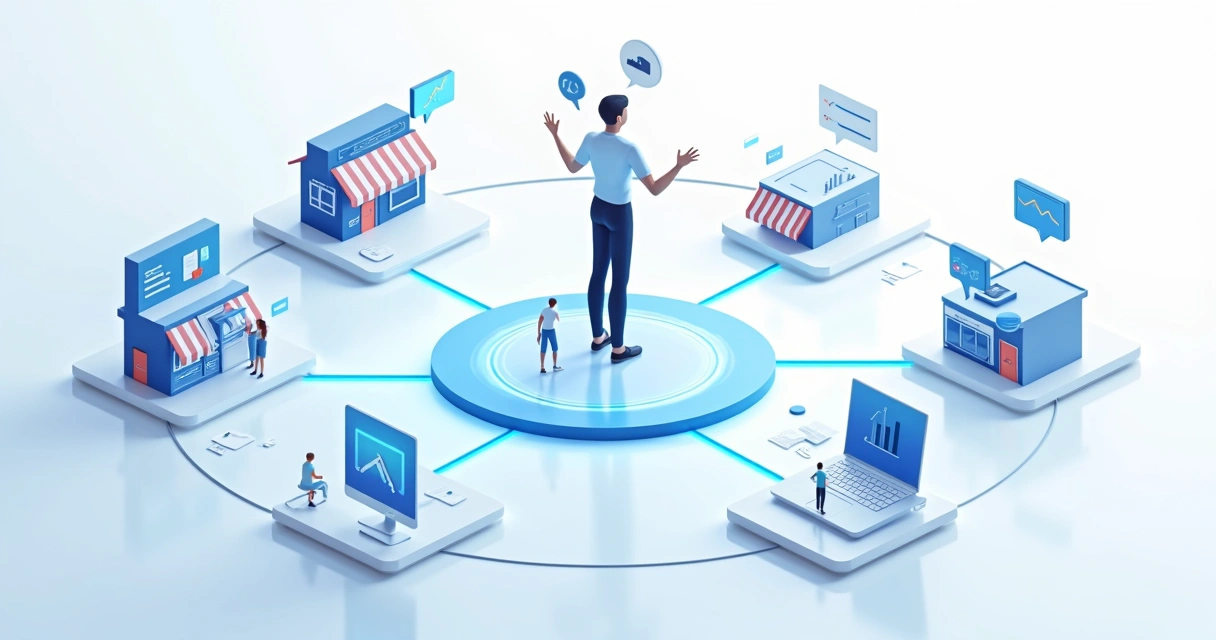
AI is not meant to replace human salespeople, but to cover their blind spots and help them focus only where they are uniquely valuable. In practice, this means AI assistants filter out non-buyers, surface deals at risk, alert sales managers to timing opportunities, and provide salespeople with talking points before calls.
This union—machine scale, human intuition—gives SMEs a fighting chance against larger enterprises with dedicated sales operations. For a closer look at effective integration, our post on integrating SME systems in Europe walks through practical strategies.
Planning for successful adoption
Bringing AI into your sales process is not a plug-and-play exercise, but a real transformation. To succeed, we follow these steps with our clients:
Needs assessment
We work together to pinpoint which sales activities drain the most time or present the biggest risk of human error. Are you losing leads to slow follow-up? Is your team overwhelmed with qualifying prospects, or are manual entries causing confusion in your CRM? Knowing this determines where AI creates the most value.
Data and tech review
Your current tech stack matters—AI must connect cleanly to existing CRMs, email platforms, messaging apps, and databases. Clean, well-organized data helps the AI learn faster and make smarter predictions.
Designing workflows
We map out handoffs between automation and human touchpoints. Which conversations can be fully automated? Which require escalation to a real person? What must be logged for compliance?
Training and onboarding
Real success comes from empowering your salespeople. We make sure the team understands how to use the new system, when to intervene, and how to combine AI insights with their unique skills.
Measurement and iteration
Key sales metrics—response times, conversion rates, number of qualified leads, average sales cycle length, and customer satisfaction—are all tracked before and after deploying a sales AI assistant. Based on these numbers, we continue refining the workflows to get even better results. Our guide on common failures when automating SME processes discusses which metrics to watch closely and how to avoid common mistakes.
The main challenges to expect
Sales AI technology has come a long way, but in our experience, some challenges tend to repeat:
- Integration with legacy systems: Some older CRMs and databases don’t play well with modern AI agents. Custom development and data migration may be needed.
- Regulatory compliance: Especially in Europe, you have to be careful with how data is handled, stored, and accessed. AI agents must follow GDPR rules at all times.
- Team buy-in: People may resist handing “their” prospects to an AI assistant. Open communication, transparency, and showing early results help ease the transition.
- Training and tuning: AI agents get better as they learn from your business. Initially, there may be odd responses or missed signals—continuous feedback is key.
- Maintaining the human touch: Personalization must feel authentic. We use regular reviews to ensure that AI communications reflect your brand voice.

Emerging trends in sales AI for European SMEs
The field does not stand still. What’s on the horizon?
- Voice recognition and phone integration: AI can now take and make calls, transcribe conversations, and follow up automatically.
- Hyper-personalization: Using more context—purchase history, website scroll data, sentiment detection—to adapt messages per prospect, not just per segment.
- No-code AI agents: Empowering non-technical staff to redesign flows, change training data, and build new automations with drag-and-drop tools.
- Multilingual and multicultural agents: For European SMEs with cross-border ambitions, AI can handle sales conversations across languages and cultural expectations.
- Integration with payments and contracts: Future agents will initiate invoices, collect payments, and sign digital contracts, all within the sales chat window.
We actively invest in developing these capabilities for our partners at Everdados, always keeping European privacy and user experience standards in mind.
Real stories: Measuring the business impact
The value of sales AI agents becomes clear only when it translates to measurable business outcomes. For one client, the introduction of a conversational AI sales agent increased cold-lead reactivation rates by 42% within two months, without a single extra hire. In another case, automated lead qualification meant the sales manager could focus only on hot prospects—call scheduling improved, and deal closing time shrunk by a week on average.
What stands out most in the feedback we receive is this: sales teams don’t feel replaced, they feel reinforced. Instead of a flood of missed opportunities each morning, they arrive to a list of tasks they trust, prioritized by the AI, with context and suggestions built in.
If you want to scale sales without scaling stress, AI assistants provide the edge your business needs.
Getting started: Next steps for your SME
If you’re considering taking the next step with a sales AI solution, start by mapping out where your sales process slows down or where prospects fall through the cracks. Think about your data quality, team structure, and the communication channels your customers most prefer. Consult with specialists who have experience in the European SME context—understanding regulations, local habits, and the real challenges of growing a lean business.
At Everdados, we pride ourselves on creating AI-powered tools that feel like a natural extension of your team. We design each system to match your tone, sector, and growth ambitions—whether you want to reactivate old leads, automate process bottlenecks, or deliver an always-on customer experience.
Conclusion
Sales AI agents are rapidly becoming a powerful ally for European SMEs. Integrated well, they do not just automate tasks—they bring focus, speed, and scalability to businesses who can no longer afford to waste time or miss warm leads. With proven cost savings, faster growth, and better customer engagement, the question is not whether to start the transformation, but how soon you’ll begin.
If your business is ready to reclaim lost sales, scale efficiently, and experience what personalized AI-driven sales can achieve, we invite you to connect with Everdados. Start your journey today—discover how digital transformation can turn your sales team into a real growth engine.
Frequently asked questions
What is a sales AI agent?
A sales AI agent is an artificial intelligence-driven software tool designed to handle a range of sales tasks for businesses, including lead qualification, personalized messaging, 24/7 customer engagement, integration with CRM systems, and real-time analytics to support human teams. Unlike old-fashioned chatbots, these modern agents hold intelligent, context-aware conversations and adapt their approach to match business goals and user preferences.
How do sales AI agents work?
Sales AI agents process and analyze data from sources like websites, CRM, and messaging tools to interact intelligently with leads or customers. Using natural language processing, machine learning, and business rule integrations, they answer questions, nurture relationships, qualify prospects, and escalate when human input is needed. They continually learn from ongoing interactions, adjusting strategies for best results.
Are sales AI agents worth it for SMEs?
Yes, for most SMEs, investing in sales AI technology leads to real savings in time and operational costs, while generating more qualified pipeline and winning business otherwise lost due to manual gaps or delays. The benefits become clearest in competitive markets where small teams need to do more with limited resources. Successful adoption results in higher response rates, improved sales conversion, and reduced burdens on your human team.
How much do sales AI agents cost?
Costs vary widely, depending on whether you choose a custom-built solution or a pre-made module attached to your CRM. Common models include monthly subscriptions, pay-per-lead, or one-time implementation fees. For European SMEs, it’s best to work with providers who tailor pricing to your actual sales volumes and complexity. At Everdados, we offer bespoke proposals based on your workflow and growth ambitions.
What are the top sales AI tools?
We find that the most effective sales AI tools are those built or customized to fit your actual business context, including CRM-integrated agents, conversational AI platforms for customer engagement, and analytics dashboards for pipeline visibility. The right choice depends on your sector, data privacy needs, and sales process flows. Our team at Everdados specializes in designing and implementing these systems to fit European SME needs, ensuring measurable business value and a natural fit with your existing operations. For more reading, visit our posts on lead reactivation and artificial intelligence applied to sales.