
When I first heard about sales bots years ago, I was skeptical. Could a piece of software really handle the complex dance of qualifying and nurturing leads the way a human could? After working closely with Everdados and seeing real results in European SMEs, my perspective changed completely. What I’ve found is this: a well-designed automated sales assistant doesn’t replace the value of a good conversation – it unlocks new levels of speed, accuracy, and reach that traditional methods simply can’t match.
Understanding sales bots and their role in sales workflows
Before I break down the specifics, let me set the scene: A sales bot is an automated system powered by artificial intelligence (AI) and automation tools to interact, qualify, and guide leads through your sales funnel. These are not the rigid, script-only chatbots from a decade ago. Today’s sales automation tools understand context, remember details, answer complex queries, and even adapt their responses according to who they’re talking to. At Everdados, we help European SMEs put these tools to work the right way, always focused on boosting real business results.
A sales bot works 24/7 so your leads are never left waiting.
In my experience, here’s what sets these sales digital assistants apart in a typical SME environment:
- Automated conversation and lead capture: Greet website visitors instantly, gather their contact info, ask smart questions, and feed data right into your CRM.
- Lead qualification: Use predefined rules, AI-based scoring, or custom pathways to separate high-value opportunities from curious browsers.
- Responsive nurture: Continue the conversation beyond the initial chat, sharing personalized messages, offers, or content as needed.
- Collaboration with humans: When needed, the sales automation assistant can hand off warm leads to a human rep, fully briefed and ready for a personal touch.
These bots don’t work alone. They form the connective tissue between your CRM, marketing automation systems, and human teams, keeping every lead warm and making sure no opportunity falls through the cracks.
How artificial intelligence powers modern sales automation
A few years ago, automation meant scheduling emails and dumping leads into spreadsheets. That’s not what I’m talking about. AI-driven bots take things much further, using machine learning, natural language processing (NLP), and real-time analytics to have real, two-way conversations. Here’s how they pull it off:
- Natural language understanding: AI bots read and interpret messages just like a human would, picking up on meaning, tone, and even sarcasm in multiple languages (especially useful for pan-European businesses).
- Personalization: From previous interactions, CRM data, or browsing behavior, bots can deliver specific recommendations instead of generic pitches.
- Intent recognition: Rather than relying only on keywords, the bot detects what the prospect actually wants – a price, technical details, or a live demo.
- Continuous learning: Every interaction helps the system get smarter, improving conversion rates over time.

AI-enabled sales bots can handle complex questions, update themselves through machine learning, and improve their scripts as they monitor which responses get the best outcome. This means your SME can offer a higher level of service with no extra headcount.
Key benefits for European SMEs using automation in lead engagement
From conversations with my clients, and in study after study, here are the real, tangible wins from adopting sales bots:
- Reduced manual work: Staff time is saved from tasks like copying data, answering repetitive questions, and setting up follow-up reminders.
- Lower customer acquisition costs (CAC): You reuse and re-engage old leads, maximize your ad spend, and convert faster.
- Higher conversion rates: Fast, consistent follow-up always beats “we’ll call you back tomorrow.” Automated lead qualification means hot prospects go straight to sales.
- Better customer experience: Instant replies, personalized recommendations, and never waiting in line make a big difference in modern markets.
- Scalability: The same setup can support ten or ten thousand leads with only minor tweaks needed.
What surprised me most is how quickly small businesses see results. One local client started with a basic bot for recapturing lost leads and saw a 20% increase in reactivation within just a month. This isn’t theoretical – it’s happening right now for SMEs using Everdados solutions across Europe.
How automated sales assistants qualify and nurture leads
Automating the qualification process is the beating heart of any sales bot. I’ve watched as these assistants guide conversations, ask probing questions, and use scoring models to deliver hotter prospects directly to the right sales channels.
Lead qualification in automation isn’t just asking a few yes/no questions. It’s a multi-step process that filters, ranks, and nurtures leads day and night.
How bots qualify leads step by step
Based on my experience, here’s how the process usually works:
- The bot greets a new website visitor or responds to an inbound inquiry.
- It gathers key information (business size, need, timeline, budget) via a friendly, conversational tone.
- Based on set criteria and real-time scoring (sometimes using AI prediction models), it decides how “hot” the lead is.
- It segments the lead – hot prospects get immediate attention, cold ones receive informative content or nurturing campaigns.
- If a lead is ready to buy, the bot either schedules a call with a human rep or closes the sale right there (for simpler offers).
A sales assistant never forgets to ask the right qualifying question.
Nurturing leads after the first contact
I’ve seen far too many firms lose leads because they treat the conversation as a one-off. A good automated assistant has ongoing follow-up sequences built-in. Here’s what that can look like:
- Timely, personalized emails after an initial chat
- Product demo invitations based on interest signals
- Reminders if someone abandons a form or cart
- Special offers or educational content delivered depending on the lead’s stage
The point is, the assistant never lets the lead go cold until you decide the opportunity is dead. This persistence is a big reason conversion rates improve with automation in place.
Automated follow-ups: The engine of conversion
I can’t count the number of times I’ve followed up with a lead only to find they signed with someone else days ago – just because their question didn’t get answered quickly enough. Sales bots solve this problem by automating the follow-up, ensuring you’re always top of mind.
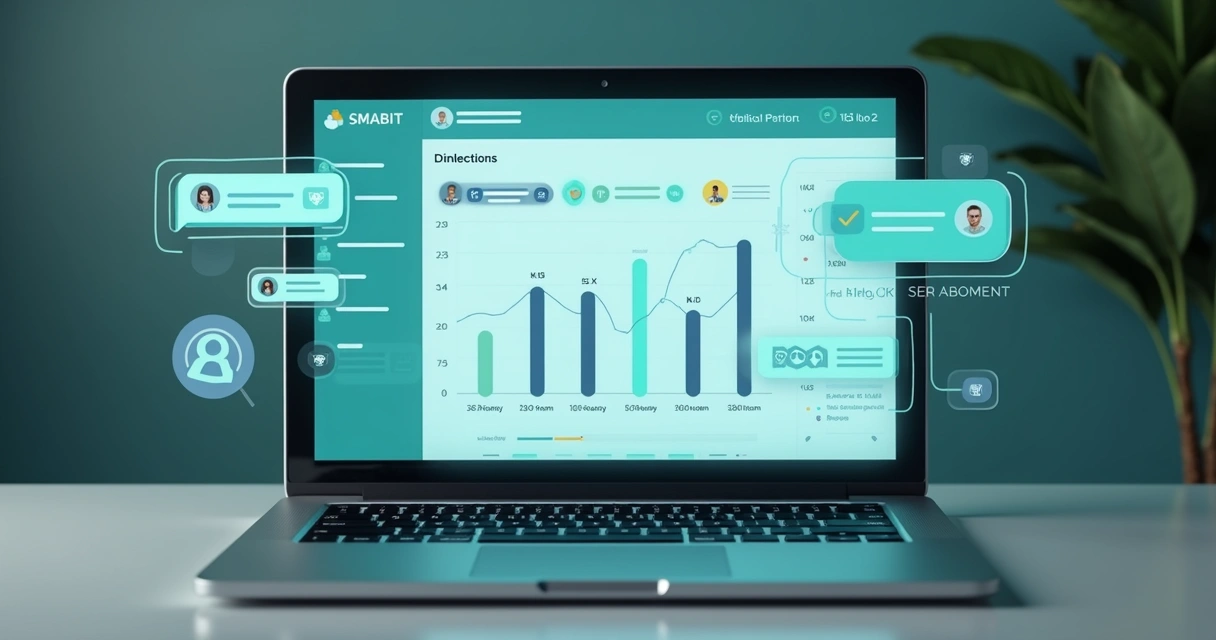
Automated follow-ups mean that nobody gets forgotten and every interested contact receives timely, relevant communication without error or delay.
- Reminders for upcoming calls or demos
- Mid-funnel nudges to move leads along the buying journey
- Re-engagement of contacts who’ve been quiet for a while
- Event-driven emails for birthdays, contract renewals, or new solution launches
With Everdados, I’ve noticed that the most effective SMEs don’t just set up a basic series and ignore it. They tweak timing, message personalization, and response paths based on ongoing analytics. Process automation best practices are all about this continual testing and adjustment.
Integrating with your CRM: Making data work harder
One major concern I had, and something clients often ask about, is whether these new systems will upset their existing sales stack. The truth is, modern sales automation tools are built to plug in directly, pulling and pushing data between your CRM, email marketing, helpdesk, and more.
- Automatic lead entry: No more copying and pasting – every new lead is logged instantly, tagged, and tracked.
- Notes and conversation histories: All interactions are kept in the CRM, so any human sales rep can jump in mid-stream and know the entire backstory.
- Pipeline management: The automation tool keeps opportunities up to date, so your pipeline view is always current and accurate.
Seamless integration with your CRM transforms messy, manual sales data into a reliable source of insight and opportunity.
Personalized interactions: Beyond one-size-fits-all scripts
One of the myths I hear is that bots always sound robotic or impersonal. That might have been true once, but not anymore. Today, every interaction can feed off CRM data, past conversations, and even third-party data sources, creating a tailored experience for each user.

Modern automated assistants use the context they have to make every interaction feel like it was designed specifically for that person at that moment.
- Custom greeting using the prospect’s name and business info
- Personalized recommendations based on browsing or purchase history
- Content offers specific to the lead’s industry or challenges
- Context-aware escalation when a more complex, sensitive question arises
It’s this blend of speed, personal touch, and contextual awareness that gets results in the B2B and B2C sectors alike. I discuss more about this in the Everdados series on artificial intelligence for business.
24/7 availability: Never miss a lead again
If you’re running a European SME, you know that time zones, travel, and holidays mean sales opportunities don’t always arrive during business hours. Here’s what sets an automated sales assistant apart from even the best human staff:
- Responds instantly, any time of day or night
- Covers gaps during weekends and local holidays
- Supports multiple languages for international prospects
- Handles high volume without getting “overwhelmed”
Being available 24/7 isn’t just about speed. It’s about meeting today’s buyers on their terms, at their preferred moment. The difference in lost vs. captured leads is clear when you compare automated service with a single-shift sales desk.
Using data analytics to improve every step
The more I work with SMEs on process automation, the more I see that the real power of sales automation isn’t just in doing more, faster. It’s also in the data you collect. Every conversation, click, and decision feeds back into your sales and marketing strategy:
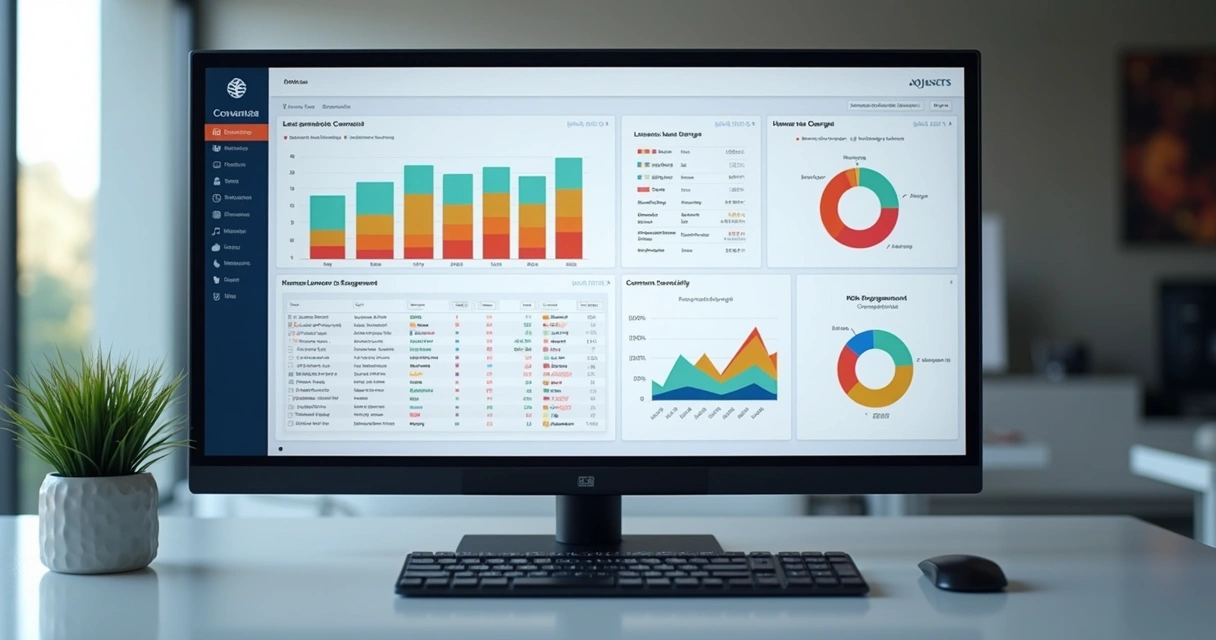
- Conversion tracking: Analyze which touchpoints, scripts, and timing generate the most closed deals.
- Lead source attribution: See exactly which channels your highest-value prospects come from.
- Message performance: Experiment with different scripts and offers, monitoring real-world results quickly.
- Qualification accuracy: Adjust questions and scoring systems based on which leads actually turn into revenue.
With access to clear analytics, teams aren’t left wondering what works. They get direct feedback and can act fast or spot problems early. I recommend reading the authored posts about sales automation mistakes to avoid pitfalls in this process.
How bots compare with traditional sales processes
It’s fair to question whether a digital assistant can really match, let alone outperform, a trained sales team. Here’s what I found after observing side-by-side A/B tests and deployment across different industries:
- Speed: Bots handle hundreds of prospects per hour; human reps can’t.
- Accuracy: No details forgotten, no typos, and leads are scored with the same rules every time.
- Consistency: Every lead gets the full set of qualifying questions, regardless of time of day or volume.
- Cost savings: You scale up without adding staff. For most European SMEs, wage savings quickly outweigh the tech investment.
- Flexibility: Humans lose energy over long shifts; bots don’t. But the best results always come from a blend of automation and human creativity, with hand-off systems for trickier, high-value deals.
Sales automation is not about replacing people – it’s about freeing them to focus where they’re needed most.
In short, while a human sales pro will always win the award for intuition, automated sales assistants provide the consistency and scale that small-medium businesses need to compete at the next level.
Practical steps to automating sales and ensuring success
If you’re just getting started on your automation journey, here’s my hands-on advice for rolling this out the right way:
1. Identify repetitive, high-impact tasks
Start by mapping where your team spends the most time on low-value activities. These are the areas best suited for automation:
- Qualifying new leads (asking the same five questions again and again)
- Following up on abandoned carts or ignored proposals
- Answering “Do you have...?” or “How much does it cost?” emails
- Booking meetings and demos
You don’t have to automate everything. The biggest improvements often come from picking just one or two repetitive jobs.
2. Choose the right automation tools for your stack
I’ve learned that “off-the-shelf” automation only goes so far for SMEs with unique processes. With Everdados, what works is tailoring systems to your existing tools – whether you already have a CRM, marketing automation, or just spreadsheets.
- Check for easy API access to your CRM
- Analyze compatibility with your website, forms, and messaging platforms
- Set up simple automation first, then build complexity over time
3. Plan for human handoff and escalation
No automation covers every edge case. Decide early how your sales bot should flag “VIP” or “needs a human” scenarios and pass them along for the best experience.
- Route high-value or complex prospects to a sales rep
- Let users request a human at any point during the interaction
- Store full chat histories and tags, so reps start with the full context
4. Monitor, test, and refine
Running automation is an ongoing process. Use analytics to see what’s working and where people drop off. Make small changes – update scripts, tweak follow-up delays, or adjust qualifying criteria – and track the results.
For a deeper look at how things can go wrong and how to avoid it, the article on common failures when automating processes in small businesses is a valuable resource.
5. Train your team for automated workflows
Change management matters. Get your sales and support teams comfortable using the new system, tracking when and how to jump into the conversation, and following up with leads that the automation surfaces.
- Host brief, hands-on training sessions
- Document escalation and follow-up protocols
- Collect team feedback on friction points
Ensuring compliance with European regulations and data privacy
With data privacy being a non-negotiable priority in Europe, it’s no surprise that SMEs worry about compliance when integrating new automation. In my work with Everdados, getting compliance right at the start saves headaches down the line.
- GDPR adherence: Make sure your bot only collects what’s necessary, with clear opt-in consent and easy access to privacy policies.
- Data storage transparency: Keep customer data on secure, EU-compliant servers with full audit trails for every interaction.
- Right to be forgotten: Allow leads to easily request deletion of their data whenever they want.
- Consent management for marketing: Differentiate between transactional and promotional communication. Always honor unsubscribe requests immediately.
Automation doesn’t have to be an enemy of privacy. With the right setup, your company can improve engagement and still stay on the right side of regulations.
Building user trust and ensuring transparent implementation
People, especially in B2B, can sense when they’re talking to a machine. That’s not necessarily bad, as long as you’re honest and transparent. In fact, I’ve found that leads appreciate knowing they’re dealing with automation if it helps them get answers faster.
- Always disclose automation: Let users know up front they’re chatting with a digital assistant, and explain what it can help them with.
- Offer human fallback: Allow users to opt out or escalate to a real human at any time.
- Use data responsibly: Reassure leads that their information will not be misused, shared without consent, or retained longer than necessary.
User trust is built on honest communication, strong privacy protection, and the option to choose between automation and human support.
When is the right time to involve human agents?
Despite incredible advances, there are moments when only a live person will do:
- High-value B2B prospects with complex, bespoke needs
- Leads who express frustration or dissatisfaction during automation
- Cases involving sensitive data, compliance issues, or unique pricing models
- Anytime the automation hits a question it can’t answer confidently
The best sales automation systems know their limits and pass the baton at just the right moment. That’s why Everdados always advocates for clear escalation paths and collaborative workflows rather than all-or-nothing automation.
Common concerns and overcoming objections
I regularly hear worries like: “Will this feel impersonal to my clients?” or “What if the bot gets stuck?” From what I’ve seen, these issues usually melt away with the right planning:
- Modern assistants are far more conversational than they used to be
- There are always easy human fallback options
- Customers actually value quick answers and self-service – if it’s done right
- Automation frees your team up for the highest-value work, keeping employees more engaged with truly meaningful tasks
A strategic blend of automation and human skill creates the best sales experience.
For SMEs looking to revisit dormant contacts and make the most of existing CRM investments, the Everdados lead reactivation solutions show what’s possible.
The future of sales: More human, more digital, more efficient
Sales bots are now a standard, not a novelty. We’re just beginning to see the impact that machine learning and AI-driven automation will have in small and medium business sales. With proper implementation, you gain not just more leads, but better ones, shorter sales cycles, and happier customers.
Personal connections will always matter in business. But when the basics are handled by automation, your people can show up at just the right moment – prepared, informed, and ready to close the deal. That’s what I see every day with businesses using Everdados solutions.
Conclusion: Why sales bots are a game changer for growing businesses
As someone who has guided countless SMEs through their digital transformation, I firmly believe that automated sales assistants are one of the most practical, high-impact tools available today. They allow you to:
- Qualify and nurture more leads with less effort
- Deliver personalized experiences at scale
- Never let an opportunity slip away due to human limitations
- Stay fully compliant and build long-term customer trust
If you want to reimagine your sales process, cut costs, and drive growth, now is the time to see what sales bots – and partners like Everdados – can do for you. I encourage you to learn more about our personalized automation solutions, discover stories from real businesses, and start your own journey toward sales excellence today.
Frequently asked questions
What is a sales bot?
A sales bot is an automated digital assistant that interacts with website visitors or leads, asks questions to understand their needs, and helps guide them through the sales process using artificial intelligence and automated workflows. It can qualify leads, answer questions, schedule meetings, and either close simple deals or pass prospects to human sales agents for further discussion.
How do sales bots qualify leads?
Sales bots qualify leads by engaging them in conversation, gathering key information (such as business type, budget, and readiness to buy), and applying pre-set rules or AI-driven scoring models. These systems segment contacts based on how well they fit your ideal customer profile and then route the warmest leads to the right sales channels.
Are sales bots worth using for sales?
In my experience, yes. Sales bots not only save significant time for human teams but also increase conversion rates and improve lead follow-up consistency. For European SMEs especially, the savings in manual work and faster sales cycles make automation well worth considering – provided the system is set up with your unique processes and compliance needs in mind.
Can bots improve customer engagement?
Absolutely. Bots offer instant responses, personalized messaging, and 24/7 support, which customers now expect. When properly designed, these automated assistants actually increase satisfaction by handling simple queries quickly and freeing up human agents to provide higher-value service where it counts.
How much do sales bots cost?
The price of a sales automation assistant varies depending on customization, volume, and integration needs. Generic options may be inexpensive but limited, while tailored solutions like those from Everdados are priced based on the setup, support, and features your business requires. Still, most SMEs see a positive return on investment thanks to reduced labor costs and increased sales within a few months.