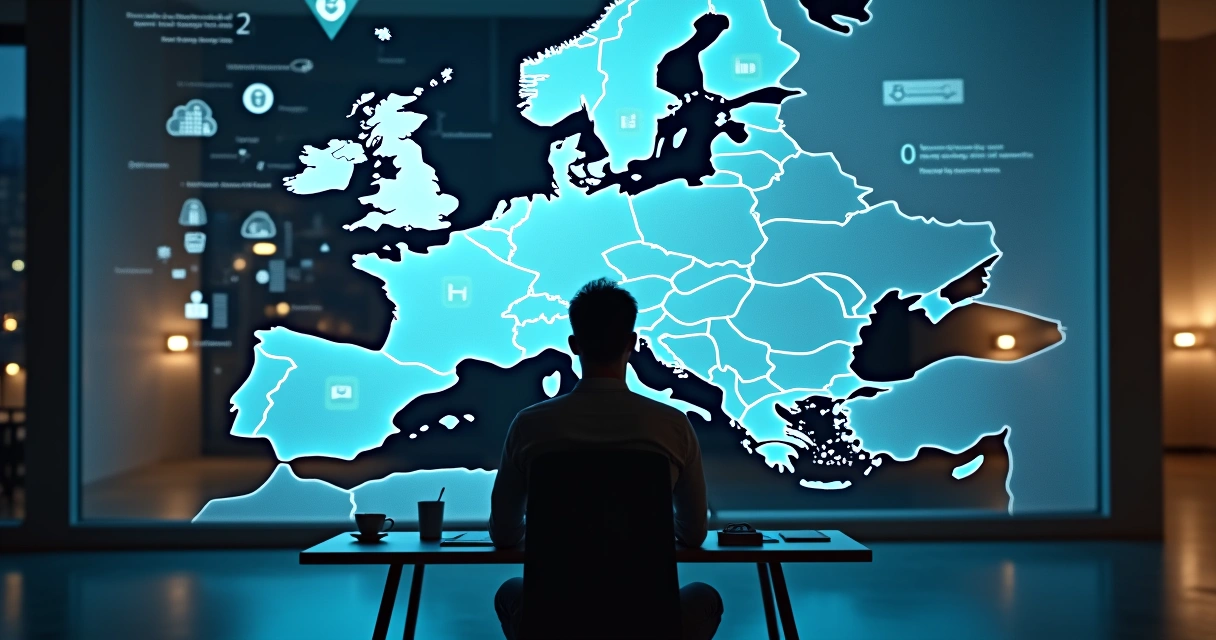
We all know the story: another year, more rules. More pressure for European SMEs to keep pace with large enterprises. This is not just about having smart technology, it’s about real problems, real costs, and, frankly, survival in a digital-first market. European regulations are rewriting the rules, and the SME sector needs tailored, practical answers to thrive in 2025 and 2026. So, what are the top needs facing SMEs, and how do cloud ERP, CRM, cybersecurity, and e-invoicing fit into this fast-changing picture? In this article, we walk through the regulatory and technology realities, what’s truly at stake, and why custom automation, like what we build at Everdados, is the missing ingredient for growing with confidence and control.
The technology pressure on EU SMEs is real (and growing)
We spend a lot of time listening to SME owners, and the concerns are very real:
- Too many software tools that don’t talk to each other
- Subscription costs piling up for features nobody uses
- GDPR, NIS2, eIDAS 2.0, ViDA deadlines and compliance worries
- Lack of time and expertise to make sense of “AI” and digitalization
- People chasing paperwork instead of growing the business
The digital intensity of SMEs is rising, but progress is uneven. According to Eurostat, by 2024, 73% of European small and medium-sized businesses had reached a “basic level” of digital intensity (meaning online tools, connectivity, and basic cybersecurity), with clear gaps between countries and sectors. Denmark and Finland are way ahead, but many others lag behind the EU’s 2030 vision for 90% digital readiness (Eurostat’s interactive publication on digitalisation).
Add to that: regulations like NIS2 (fresh cybersecurity rules), the expansion of e-invoicing and digital VAT under ViDA, and the sweeping impact of eIDAS 2.0, all rolling out by 2026, with strict deadlines and serious penalties for non-compliance. Under the surface, another challenge persists: Most SMEs don’t have in-house experts to manage these transitions.
Generic software alone won't solve these challenges.
Cloud ERP and CRM: The heartbeat of future SME operations
Many SMEs rely on cloud ERP platforms and CRM tools to manage business operations and customer relationships. In 2025 and 2026, these will become even more central, not just for daily work, but as compliance anchors and digital integration points.
Why cloud ERP matters for SMEs
ERP (Enterprise Resource Planning) sounds complex, but at its core, it’s about running all financial, supply, and people processes in one coordinated place. Cloud-based ERP allows SMEs to access these systems securely, from anywhere, with updates and data storage managed off-site. Compared to old-fashioned on-premise servers, cloud ERP offers real benefits:
- No expensive hardware to buy or maintain
- Remote and hybrid working is easier
- Faster software updates and feature releases
- Smoother compliance with EU data regulations
But as we often see, generic SaaS ERPs bring their own headaches: hidden costs, paying for unused modules, and limited ability to adapt to your unique workflows. This is where Everdados' custom ERP solutions can make a difference, you control the features, integrations, and data. You save money when your software actually fits your business, not the other way around.
CRM: Still the core for customer relations
A CRM (Customer Relationship Management tool) organizes sales conversations, tracks leads, and stores customer info in line with GDPR. Choosing the right CRM involves more than ticking feature lists, it’s about matching your sales journey, support flows, and compliance responsibilities.
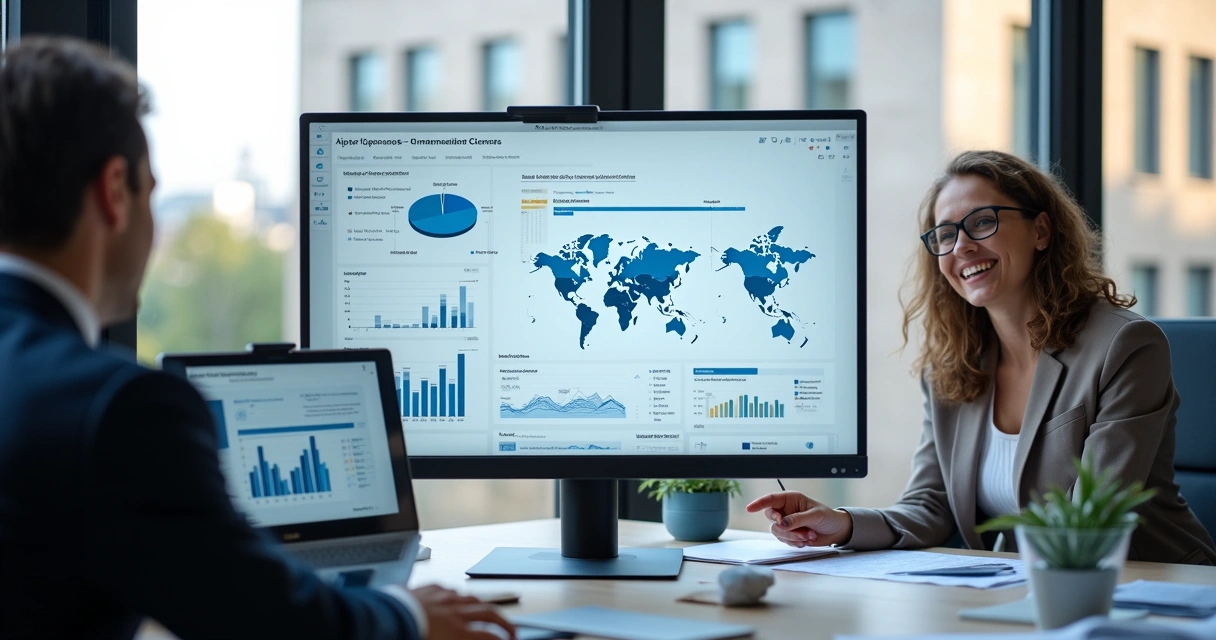
We frequently see SMEs using several disconnected CRMs and spreadsheets. The result? Missed follow-ups, double data entry, and compliance risks. By connecting your CRM directly to ERP, e-invoicing, and marketing tools, you can automate follow-ups (like our lead reactivation automation) and create clear, consistent customer journeys.
Cybersecurity and NIS2: New rules, new expectations
By October 2024, the NIS2 Directive significantly increases cybersecurity requirements for EU businesses, including a vast number of SMEs. NIS2 isn’t just “something bigger companies worry about”, it sets minimum standards for risk management, reporting, supply chain controls, and incident response plans.
According to recent ENISA guidance, SMEs will have to demonstrate concrete steps in areas like:
- Business continuity and disaster recovery
- Multi-factor authentication and access controls
- Supply chain security
- Staff cybersecurity awareness training
Some owners tell us, “We’re too small to be a target.” That’s not how the rules work anymore. If you are essential or important to your sector, you are included.
The European Central Bank SAFE Survey in early 2025 showed that 27% of euro-area firms don’t use AI, and among SMEs, the adoption is even lower. But NIS2 compliance will require fundamental changes to how digital risks are managed, not just at the server but in every workflow. (ECB SAFE survey)
Ready-made security add-ons from SaaS packages are usually “checkbox features”, rarely tailored to the real threats your business faces. At Everdados, our approach is to connect the right cyber controls with workflows you actually use, ensuring all staff (not just tech people) can play their part in keeping your business safe.
E-invoicing and ViDA: Countdown to mandatory digital reporting
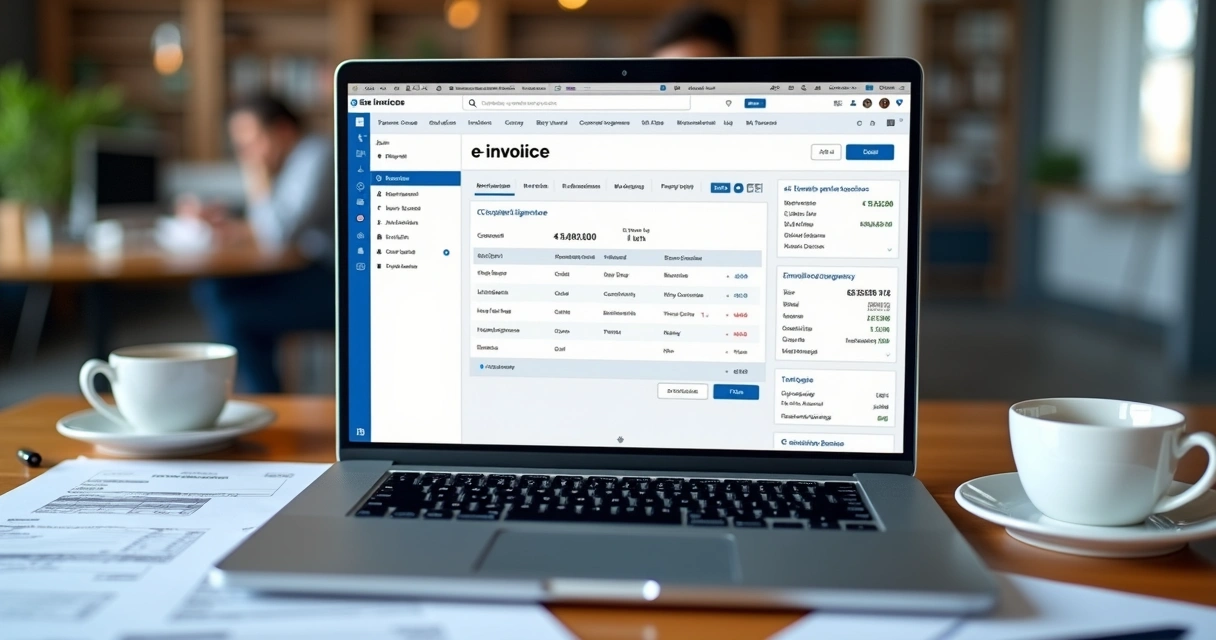
VAT in the Digital Age (ViDA) is transforming e-invoicing for EU SMEs. From 2024, phased deadlines push more businesses to create, send, and archive invoices digitally, in specific, regulator-compliant formats. This is not just about making e-invoices instead of PDFs. ViDA links every invoice to VAT authorities in near real time, ensuring accuracy and preventing fraud, but also putting real process demands on small companies.
With e-invoicing about to become a “must” for most SMEs by 2026 or 2028 (depending on country), the pain points we see include:
- Unclear rules around invoice format, storage, and authentication
- Lack of integration with local tax systems and legacy bookkeeping tools
- Need to store and send invoices in multiple languages or currencies
- SaaS options that don’t match specific sector requirements (logistics, healthcare, etc.)
The value of a custom solution is simple: your invoicing flows are built around your business and local reporting rules, so there’s no need to compromise. With Everdados, we build automation that connects each step: CRM → ERP → e-invoicing → archive and reporting. You get peace of mind, and your team avoids painful manual work before tax deadlines hit.
The changing face of digital identity and eIDAS 2.0
By 2026, eIDAS 2.0 and the new European Digital Identity Wallet will reshape how SMEs handle customer logins, cross-border transactions, and online signatures. Every SME needing access to public services, or operating across EU borders, will have to support these new ID methods, and keep customer data watertight for GDPR.
Here’s what stands out:
- Stricter requirements for digital signatures and user authentication
- Interoperability: your business systems must “speak the same language” as the EU wallet
- Customer pressure: people expect quick, secure onboarding and contracts
Most generic SaaS tools aren’t ready for these changes. At Everdados, we customize integration with the evolving EU digital identity landscape, making sure your systems stay compatible and your user experience remains smooth and compliant.
Digitalisation support: Training and funding gaps
Access to modern technology is just part of the challenge. Adoption, training, and funding are just as important. According to Cedefop research, only 21% of EU SMEs provided any ICT training for staff in 2024, and the skills gap is code red as automation and AI become standard.
Many business owners also feel digitalization grants and subsidies are hard to apply for and even harder to implement in the real world. The EU Digital Europe Programme and similar tools exist, but maximizing their value requires an approach tailored to your sector, size, and compliance obligations.
This is why we always recommend starting with small, practical automation (like smart triggers for lead follow-up, or custom e-invoice generation), and growing as skills and needs evolve. We outline the most common mistakes in small business automation here.
AI and business process automation: Where is the value?
The numbers are growing, but with a sharp divide. Eurostat shows that 20% of SMEs used some AI technology in 2025, with adoption often focused in western countries. In Denmark it is more than 40%, Romania less than 6%. The lesson? There is no single pattern. Chances of wasted investment are high if you just buy AI as an “add-on.”
We see the real value in targeted, practical uses: conversational AI to answer routine customer queries; automation to remind sales reps about prospects; workflow bots for document routing and compliance checks. Our AI automations don’t just bolt on, they are integrated with what you already use, and designed for practical tasks and clear ROI.
By connecting these pieces, cloud ERP, CRM, AI agents, cybersecurity, and e-invoicing, into one customized environment, SMEs can avoid the usual patchwork of apps and the hidden costs of working around rigid software. Our approach brings together custom software development for SMEs with automation and compliance by design. This gives control back to business owners and ensures you are ready for whatever changes tomorrow’s EU rules might bring.
EU regulation: The new backdrop for SME technology
With each new regulation, there is both a challenge and an opportunity:
- GDPR: Data privacy is foundational. Custom solutions keep customer data local, controlled, and easily audited.
- NIS2: Cybersecurity must go beyond checklists. Workflows need to include regular risk reviews and clear staff responsibilities.
- eIDAS 2.0: Digital signatures and authentication require systems that integrate with both local and EU-wide services.
- ViDA: Digital VAT reporting and e-invoicing must link to your accounting, CRM, and ERP with no manual handoffs.
We help SMEs prepare by baking these requirements directly into the tools and automations your team uses every day. You don’t have to play catch-up or wait for a one-size-fits-none package to support the latest rule, you’re always ahead.
Integration is a theme that runs through all of these needs, and our work on integrating SME systems for 2026 discusses this in detail: one-connected platform (not a hodgepodge of subscriptions) is often the safest, most cost-effective choice.
Why custom and automated solutions are the “secret weapon” for EU SMEs
With so many choices, why invest in custom or automated software, instead of defaulting to more licenses for tools you already struggle with?
- Cost savings: You stop paying for unused modules and subscriptions. You own as much (or as little) software as you need.
- Business fit: Every workflow matches your sector, team size, and compliance needs.
- Control: Custom solutions give you real ownership of your data and security, not just checkbox compliance.
- Integration: One system connects e-invoicing, ERP, CRM, AI, and compliance for less time spent on manual re-entry and errors.
- Fast adaptation: When the EU changes the rules, you update faster (no need to wait for slow SaaS rollouts).
Control. Clarity. Lower costs. That’s the Everdados difference.
Conclusion: The digital race is on, so is the need for smarter solutions
The path for European SMEs in 2025 and 2026 is clear: more digital, more connected, more regulated, and more urgent. SME owners who only patch problems or let generic tools pile up will likely pay the price in wasted time, rising costs, and compliance risk.
We believe the winning approach is a custom one, tailor-made workflow automation, software built for your business, integrations that make compliance invisible, and a trusted partner to guide the way.
If you’re ready to save time, cut costs, and get ahead of EU digital regulations, it’s time to see what Everdados can do for your business. Take the first step towards a smarter and safer future.
Frequently asked questions
What are the top tech needs for SMEs 2026?
The top technology needs for European SMEs in 2026 are custom cloud ERP and CRM solutions, robust cybersecurity (especially NIS2 readiness), e-invoicing and VAT digital reporting (ViDA compliance), digital identity management (eIDAS 2.0), and practical automation that integrates business tools and reduces manual work. SME owners should also focus on user training and building systems that can adapt quickly to regulatory change.
What is a cloud ERP and why use it?
A cloud ERP is a business management suite accessible via the internet, combining finance, logistics, HR, and supply chain tools. It stores your business data securely off-site, provides instant access from anywhere, and receives automatic updates. Cloud ERP is popular among SMEs because it removes the cost and hassle of maintaining servers, supports hybrid work, and makes compliance and integration much easier compared to outdated legacy systems.
How to choose the best CRM for SMEs?
To find the right CRM, SMEs should map out their sales process, support needs, and compliance requirements. The best CRM for your SME is the one that matches your workflows, supports GDPR and local regulations, integrates smoothly with ERP and e-invoicing, and can be adapted as your business changes. A custom CRM (or a tailored integration as offered by Everdados) often delivers more value in the long term than a generic out-of-the-box product.
Is e-invoicing required for EU SMEs?
Most EU countries are now moving towards mandatory e-invoicing for SMEs as part of VAT in the Digital Age (ViDA). Deadlines vary by country, but the trend is clear: most SMEs will need to switch to digital invoice sending, archiving, and reporting by 2026 or 2028 at the latest. Formats and requirements depend on national authorities and sector, so it’s wise to prepare workflows and software early to avoid penalties or last-minute problems.
How much does SME cybersecurity cost in Europe?
Cybersecurity costs for European SMEs can range from a few hundred euros per month for basic protections to several thousand for advanced NIS2-compliant measures and ongoing management. The real cost comes from data loss, downtime, or regulatory penalties, so investing in tailored, business-appropriate cybersecurity is a smart and often cost-saving decision. Custom solutions, like those from Everdados, are often more cost-effective because they match the real risks you face, not generic threats you do not have.