
European small and medium-sized enterprises are standing at the intersection of technology and tradition. The choices made today about how to work, which tools to trust, and how much to rely on digital methods will shape not only operations but the resilience and growth potential for years to come.
Automation is not just a buzzword floating through corporate memos—it's a genuine opportunity for SMEs to achieve more with less. In this practical guide, we walk through what process automation truly means for European SMEs, what use cases are actually delivering value, and how a company like Everdados is helping businesses cut unnecessary costs, centralize information, and reach compliance—all while keeping their personal touch.
Contents
- Defining business process automation and its impact on European SMEs
- Real-world use cases: From CRM to compliance
- Tailored automation solutions versus generic SaaS
- Conversational AI agents: Customer support and lead qualification
- Integrating automation across departments
- Ensuring regulatory compliance through automated processes
- Driving cultural adoption within organizations
- How automation shapes digital transformation strategies
- Actionable steps to assess, implement, and scale automation
- Conclusion
- Frequently asked questions
Defining business process automation and its impact on European SMEs
Business process automation means using digital tools to handle repetitive, rule-based tasks, freeing up teams to focus on work that requires judgment, creativity, or the human touch. At its core, automation isn’t about eliminating jobs—it’s about giving people space to do what they’re good at while letting technology take care of the repetitive steps.
Across Europe, companies are waking up to this reality. According to Eurostat's 2025 data, 20% of EU enterprises with 10 or more employees used some form of AI, with Denmark leading at 42%. The utilization of such technology is not just for the giants; it's becoming increasingly accessible and necessary for SMEs.
Simpler tasks can be automated. Human talents can finally focus on growth.
There’s plenty of evidence that SMEs are joining this wave. 74% of EU businesses have now reached a basic level of digital intensity, and among SMEs, this figure sits at 73%. The fastest-growing areas are:
- Automated customer communications—like reminders, welcome emails, and follow-ups
- Automated invoice generation and payment chasing
- Data entry and consolidation across platforms
- AI-powered compliance checks for regulations
The message is clear: if small and medium-sized businesses want to stay relevant and competitive, digital process automation is not just an option. It’s a necessity.
Real-world use cases: From CRM to compliance
A good automation project should answer a clear question: how will this process save us time, money, or both? We like to think in terms of real-world results, not just technical jargon. Let’s break down the most common—and impactful—use cases we see when guiding clients through their digital transformation with Everdados.
CRM automation: Never let a lead fall through the cracks
Manual CRM updates are a silent killer. Every missed follow-up or forgotten contact represents money lost. By automating CRM tasks—reminder emails, lead status updates, next-step assignments—teams can focus on closing deals, not chasing paperwork. Automation ensures that contacts are nurtured at the right intervals, with the right messages.
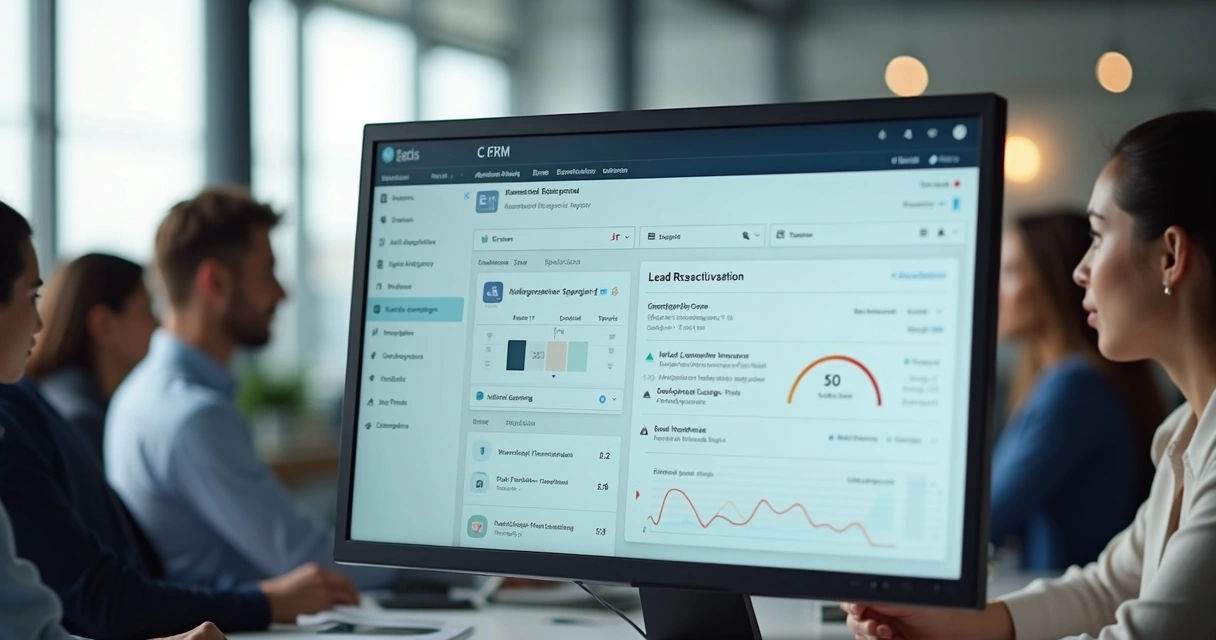
We have seen clients shorten their sales cycles, track conversion rates more closely, and avoid wasting warm leads—a critical outcome, especially where customer acquisition costs are climbing.
Lead reactivation: Unlocking value from forgotten contacts
Most SMEs have dozens, sometimes thousands, of “dead” leads sitting idle in their databases. Rather than spending on new advertising, our lead reactivation solutions reach out automatically, rekindling interest and bringing old prospects back into the sales funnel.
This approach reduces cost per acquisition and often surprises teams with the number of old contacts willing to engage again, especially if nudged at just the right time, with the right message. We’ve seen businesses recover missed purchase windows and recoup marketing spend that felt lost.
Compliance management: Staying on the right side of the law
With the rise of GDPR and ever-evolving European regulatory standards, compliance is not something to leave to chance. Automated audit trails, report generation, and alerts safeguard businesses from non-compliance. Everdados helps build auditable processes that centralize and lock down compliance data, freeing businesses from manual checking and documentation headaches.
Recent studies by the Employers' Group highlight that automation can reduce regulatory burdens, aiming to cut administrative costs by 25% for all companies—and by 35% for SMEs.
Compliance shouldn’t keep you up at night.
Automating such tasks ensures fewer errors and, more importantly, peace of mind for business owners.
Business process connectivity: No more data silos
It’s common for SMEs to use a patchwork of different apps—one for invoicing, another for CRM, another for email. We link these tools so that data flows naturally from one to the other, preventing duplication, mistakes, or missed information.
For inspiration and tailored strategies, check our post on integrating SME systems across Europe.
Customer onboarding and support
Automating the onboarding process keeps things consistent. New clients receive the right information, contracts, and introductions—without chasing anyone from your team. Similarly, simple support queries can be addressed automatically, letting staff focus on complex cases and personal interactions.
Across all of these scenarios, the goal is the same: to create processes that “just work,” so people can focus on building relationships, solving problems, and growing the business.
Tailored automation solutions versus generic SaaS
As the market gets flooded with “one size fits all” SaaS offerings, small businesses often find themselves paying for dozens of licenses they seldom use, or bending their processes to fit the limits of generic tools. At Everdados, our mission is to show SMEs another way—custom solutions that are actually designed for their real-life workflows.
Where generic SaaS falls short
- Missing integrations: Data doesn’t move between tools as needed.
- Over-complexity: Features meant for large enterprises slow down teams.
- Licence overload: Paying for user seats you never use.
- Lack of flexibility: Your unique way of working is boxed in.
Tailored software, unlike generic SaaS, adapts to your exact business processes rather than forcing you to adapt to an external tool’s limitations. By building bespoke automation, SMEs can centralize everything in one place, simplify data flows, and remove unnecessary costs.
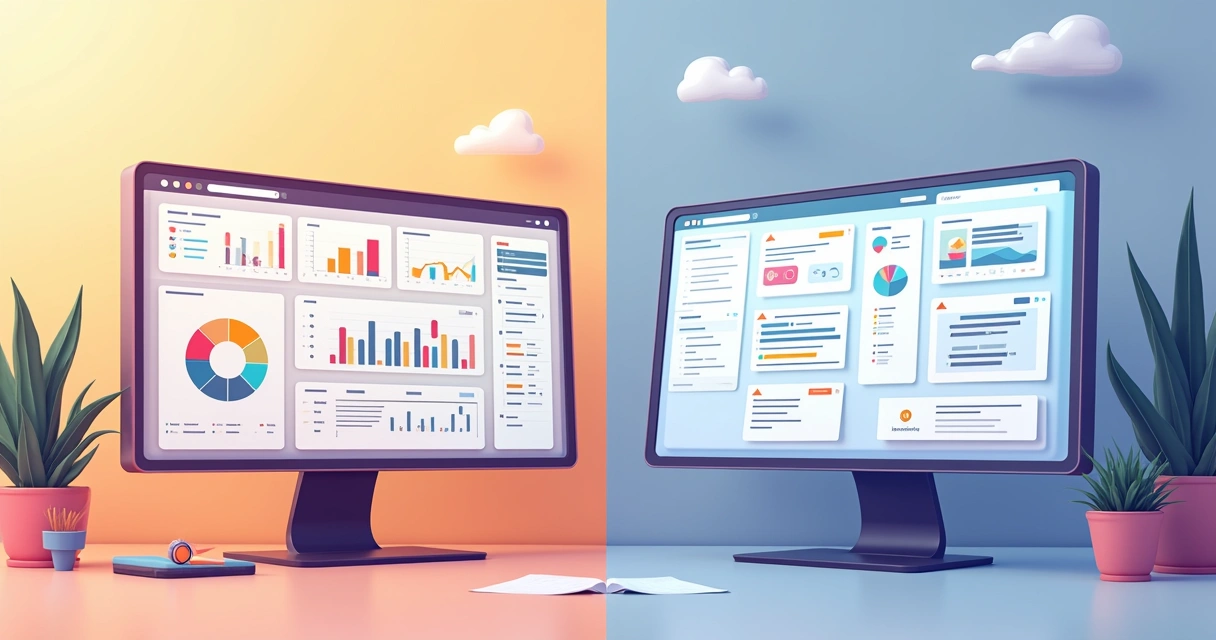
Experience shows that the upfront cost of custom solutions is offset over time by reduced manual tasks and fewer unnecessary licenses. Teams appreciate not needing to toggle between half a dozen disconnected apps. Instead, they find information, files, and conversations in one place.
When to consider a tailored solution
A custom-built system shines when you have processes that set you apart, regulatory needs that off-the-shelf tools can’t handle, or you simply want to build something scalable as your business grows. For stories on uniques cases and in-depth guides on successful software customization, our category on custom software development offers plenty of real examples.
Your software should conform to your team—not the other way around.
Conversational AI agents: Customer support and lead qualification
The role of conversational AI in SMEs is moving far beyond simple chatbots. Thanks to advances in natural language processing, automated agents can handle first-line support tickets, answer frequently asked questions, and conduct initial lead qualification—all in a tone that reflects your brand.
This technology is no longer reserved for the largest corporations. In fact, the same Eurostat report from 2025 notes that the most widespread AI use in Europe is written language analysis—powering tools like chatbots and customer service agents. These agents are active 24/7, reliably capturing incoming leads, qualifying prospects based on dynamic conversations, and providing instant feedback to customers.

How AI automates lead qualification
Instead of having sales teams waste time on unqualified leads, AI agents ask the right questions upfront. Based on the conversation, hot leads are flagged and routed directly to closers, while others receive nurturing emails or information.
- 24/7 service means no lead is missed—even outside working hours.
- Agents can manage basic requests instantly, cutting response times from hours to seconds.
- Support team overload drops, with human staff focused on unique or escalated cases.
More advanced deployments allow “handoff” at any point, so real people can jump in where expertise is needed.
AI agents never sleep and never forget a follow-up.
Case study: Support ticket automation
A client in logistics shifted all first-line support to a conversational AI system. Within three months, average response times dropped from several hours to under five minutes, overall customer satisfaction scores increased, and human support agents could spend more time solving high-value cases. That’s the kind of invisible help that lets staff shine where it counts.
For companies interested in digging deeper into AI’s impact across industries, we suggest browsing our artificial intelligence category. The future is here—and small businesses can be part of it.
Integrating automation across departments
A single automated process can help. But true transformation happens when solutions connect every area of the business—from sales to support, finance, compliance, and beyond. Integration is where the friction disappears and every department benefits.
We have worked with SMEs struggling under a patchwork of standalone tools. In these environments, simple tasks like reconciling invoices or approving holiday leave could require switching between different apps or manually entering data twice. Each department used a different “source of truth.” Information silos became the norm, mistakes more frequent, and productivity lost.

By connecting existing tools with custom integrations, we helped bring data and people together:
- Invoices automatically generated and matched to purchase orders for finance
- HR receives digitized holiday requests, with notifications sent for approval
- Sales team updates trigger inventory checks and shipment preparations
- Support tickets are linked to sales history, so no customer conversation happens in isolation
When automation flows through all departments, work happens quicker and mistakes become rare—because manual handoffs and double entries are eliminated. Managers gain up-to-the-minute visibility, teams can collaborate, and leadership responds rapidly to market changes.
Lessons learned can be found in articles like our automation insights, where we share more about comprehensive cross-departmental projects.
Ensuring regulatory compliance through automated processes
In the EU, compliance is not just a nice-to-have. Regulations—from GDPR to tax law—require auditable records, timely reports, and secure handling of personal data. One error can trigger not just fines, but loss of reputation.
Automation comes to the rescue here, too. With processes configured to flag missing documentation, lock access logs, and schedule recurring compliance reports, teams find themselves free from the anxiety of audits or missed deadlines.
The European Commission’s recent goal is to cut administrative costs for SMEs by 35%, saving billions through better process management and smarter technology. We see this as an achievable goal if SMEs take automation seriously.
- Automated alerts prompt employees about upcoming renewal dates or regulatory changes.
- Direct integrations with accounting systems prepare compliant VAT and payroll reports.
- Access control logs keep personal data safe and trace every change.
- Machine learning can scan communications for signs of risk, flagging issues for human review.
Clients repeatedly tell us that automated compliance processes don’t just prevent penalties—they build trust with partners and clients by showing a commitment to transparency and order.
Driving cultural adoption within organizations
No process transformation sticks unless people genuinely embrace the change. The way automation is introduced—how staff are involved, trained, and supported—determines its ultimate success. Teams often worry about losing control or becoming redundant.
Our philosophy is simple: technology should give people freedom, not take it away. From early workshops to ongoing support, we invite staff to see automation not as a threat to their jobs, but as a tool that frees them to do more meaningful work.

Winning hearts and minds: our approach
- Early and honest communication: Why this project? What’s in it for the team?
- Workshops to map out pains and wishlists, so everyone’s voice is heard
- Continuous feedback loops so improvements are ongoing, not “one and done.”
- Spotlighting quick wins that boost morale and show the benefits of automation
Change can be unsettling, but done in partnership with employees, it quickly becomes a source of pride. Staff become more engaged, less stressed, and creative in ways the old manual routines could never support.
Culture eats strategy for breakfast—especially when it comes to technology.
How automation shapes digital transformation strategies
For many European SMEs, digital transformation can feel overwhelming. There’s pressure to keep up with disruptive technologies, customer demands, and regulatory changes. Yet, as 2025 surveys note, only 7% of euro area firms have significantly adopted AI, with SMEs lagging behind large firms.
Strategic automation is not about automating everything at once. It’s about picking high-impact, repetitive areas and building the confidence to scale over time.
At Everdados, our roadmap is clear:
- Begin where pain is highest—think manual invoices, repetitive HR requests, forgotten follow-ups
- Prove value fast: Small wins build momentum and reduce skepticism
- Connect isolated processes so data “flows” across departments
- Measure and report progress—the right KPIs are transparency and speed
- Scale up, not just in volume, but in sophistication: Add AI, advanced analytics, and deeper integration
Digital transformation isn’t about the fanciest toolset—it’s about removing roadblocks and letting every employee contribute more value. As more SMEs achieve higher digital intensity, the gap between those who adapt and those who fall behind continues to widen. Now is the time for smart, strategic decisions.
Explore more success stories and lessons learned in our automation category, where transformation turns from buzzword to business reality.
Actionable steps to assess, implement, and scale automation
It’s not enough to want automation; there needs to be a clear path forward. Over the past years, we’ve worked side by side with dozens of SMEs, learning the pitfalls and the shortcuts. Here is a distilled set of practical steps for small and medium-sized businesses ready to start their automation journey.
1. Assess your current processes honestly
Begin with a full process mapping session. Gather leaders from each department and ask questions like:
- What tasks do we repeat every day?
- Where are manual entries sources of mistakes or delays?
- Which tasks “fall through the cracks” when we get busy?
Highlight these as prime candidates for automation.
2. Set goals and define your scope
Not every process makes sense to automate. Focus on tasks that are:
- High volume or highly repetitive
- Rule-based (clear patterns or decisions)
- Low value-add (not requiring creativity or judgment)
- Directly tied to cost reduction or faster workflow
Define the goals: Is it faster sales cycles? Lower support tickets? Fewer manual errors? Your success must be measurable.
3. Choose the right solution
Review your options—generic SaaS or custom-built? With companies like Everdados, you gain access to tailored integration expertise that avoids the pitfalls of ill-fitting, off-the-shelf tools. Match the solution’s flexibility to your immediate needs and future growth.
4. Prepare your data and systems
Consolidate and clean up your databases. Remove duplicates, update old records, and standardize naming conventions. Automation thrives on clean input—don’t skip this part.
5. Involve the team from the start
Bring staff into workshops, explain the value, and address concerns. Collaborate on pilot projects so everyone can offer feedback before company-wide rollout.
- Offer training (guided by your technology partner) on new workflows.
- Assign “champions” in each department to drive adoption.
- Schedule regular check-ins to monitor results and fix snags quickly.
6. Start small, then scale up
Don’t bite off too much at once. Automate a single workflow or department, measure the results, and publicize the improvements in time, cost, or customer satisfaction. Once the first win is secure, expand the scope.
For examples of pitfalls and how to avoid them, we recommend reading seven common failures when automating processes in small businesses.
7. Measure, iterate, and celebrate
Set clear KPIs: average processing time, error rate, cost per task, lead conversion rates, NPS scores, etc. Review these frequently. Encourage the team by celebrating milestones, sharing lessons learned, and rewarding those who go the extra mile during the transition.
8. Keep compliance at the core
Document all processes, schedule regular audits, and ensure data privacy with encrypted storage and access logs. Ask your partner for ongoing compliance checks as regulations evolve.
9. Review and enhance
As technology advances and your business grows, revisit your processes every few months. Add new automations where needed and retire old workflows that no longer serve you.
Success lies in continuous improvement—not a single leap.
For detailed guides and best practices, our ongoing series on automation in SMEs is designed to help you at every stage.
Conclusion
European SMEs are discovering the tangible value of automating routine tasks. These changes lead to fewer errors, faster service, lower costs, and a more engaged workforce. Whether you're considering CRM automation, lead reactivation, compliance tracking, or building custom solutions, the opportunity is clear: work smarter, not harder.
The journey might seem complex, but concrete steps—honest process mapping, involving the right partners, starting with high-impact workflows, and nurturing a culture of change—make the transformation achievable. From our perspective at Everdados, every hour saved and every error prevented helps businesses thrive in today’s digital-first world.
Ready to identify what’s holding your business back and automate for a brighter future? Contact us at Everdados and discover how a smarter business can be your new reality.
Frequently asked questions
What is business process automation?
Business process automation is the use of digital tools to handle repetitive or rule-based tasks so teams can focus on high-value work. For European SMEs, it often means automating emails, invoices, reporting, data entry, and compliance activities. The main objective is saving time, improving accuracy, and freeing staff to concentrate on strategic and creative tasks.
How can small businesses start automating?
The first step is to map out every repetitive process across the business. Identify high-frequency, low-complexity tasks. From there, choose whether to start with an affordable SaaS tool or opt for a custom solution tailored to your needs. Engage staff early, clean up your data, and automate one process at a time, measuring the benefits before you scale up.
Is automation expensive for European SMEs?
The initial investment varies, but savings from reduced manual work and fewer errors often far exceed costs. Cloud-based and custom approaches can be scaled to budget. The European Commission aims to reduce administrative costs by up to 35% through automation, a goal supported by new tools designed specifically for SMEs.
What tasks are best to automate first?
Start with repetitive, rules-based tasks that happen daily or weekly and carry high risk for errors or delays. Typical examples are invoice generation, reminders for late payments, client onboarding emails, initial customer support responses, and compliance reporting.
How does automation improve business efficiency?
Automated processes increase speed, reduce human error, cut costs, and create more space for strategic work. Employees spend less time on low-value activities and more time on building client relationships, solving complex problems, and driving innovation—a winning formula for SME growth.