
The landscape of small and medium-sized enterprises (SMEs) in Europe has evolved fast. Digital transformation is no longer a distant goal—it’s part of daily life. For those of us guiding companies like Everdados, the path is clear: we help SMEs grow by connecting technology and business needs. One area stands at the heart of this mission—customer relationship management (CRM), enhanced with automation and AI. It’s not hype. It’s a series of practical advances that bring teams together, unify data, and put growth back on the table.
Every customer interaction tells a story, and the right system listens to every word.
Along this journey, we’ll show not just definitions, but real strategies, supported by first-hand insights, practical advice, and new ideas proven in the field. Whether you’re exploring smarter contact management or weighing the move to cloud-based solutions, you’re in the right place. Here, we talk about what works—without detours, distractions, or overlays of buzzwords. Let’s start by understanding what CRM systems really mean for SMEs.
Understanding CRM: more than a digital Rolodex
What makes customer relationship management the backbone of modern business? For many, the answer used to be “a single place to store contacts.” Today, that’s just the beginning. We see customer relationship systems as living, breathing solutions that unify every fragment of your customer data—touchpoints, conversations, transactions—into a clear picture.
Modern CRM platforms connect marketing, sales, and support, creating true visibility at every step of the customer journey.
- Contact management that logs every call, email, or meeting
- Lead tracking that helps sales teams follow opportunities from first contact to close
- Workflow automation that keeps routine actions out of your inbox and in the background
- Centralized dashboards for analysis, reporting, and forecast
A complete picture of each customer drives smarter business decisions.
In our experience, SMEs that move beyond spreadsheets to digital CRM gain immediate clarity. Conversations aren’t lost when someone is on holiday. Leads don’t get forgotten. And support requests are handled, not hidden.
The business value: why SMEs ask for more from their CRM
What do you really want from your system? We think most SMEs share the same goals:
- Bring fragmented data together for easy access
- Automate repetitive actions and workflows
- Make teams faster and more accurate
- Support compliance with EU regulations (yes, GDPR matters)
- Reduce operational costs, not just move them around
- Enable growth—not only track it
All these targets are within reach when you adopt a CRM system that fits your strategy, not one that forces you to adapt your way of working.
At Everdados, we’ve seen businesses re-energize their old customer lists with automated lead reactivation tools, boost close rates with algorithmic lead scoring, and bring new products to market faster simply because everyone finally works from the same set of facts.

Key features that matter for SMEs
Every year, we see hundreds of feature lists, checkboxes, and “must-have” plugins. But when we speak with growing companies, a different set of priorities emerges. It isn’t about the longest list; it’s about what makes an everyday difference to your team.
Contact and interaction management
It all starts with a living, unified address book. But that’s only the starting line. Great CRM platforms:
- Track every customer conversation, from first email to last support call
- Store notes about preferences and pain points
- Set reminders and follow-ups that no one misses
- Support search and tagging to keep things fast
Complete, accurate contact records are the heart of any successful CRM.
Lead and opportunity management
In our projects, it’s clear: SMEs need to move leads through the pipeline fast, but with care. The right system helps by:
- Assigning leads automatically to the right team member
- Setting automated follow-up steps to avoid forgotten prospects
- Tracking progress and flagging stalled opportunities
- Linking every deal with its full history and relevant documents
Workflow and process automation
Here’s where SMEs go from organized to effective. We’ve built automations that:
- Send welcome emails when a lead registers interest
- Alert sales whenever a “hot” lead is ready for action
- Trigger reminders for contract renewals or service call follow-ups
- Create support tickets when customers reply with questions
“Set and forget”—that’s when teams finally focus on growth.
Activity, task and notification tracking
Sales and support teams move fast, and things slip through cracks without a central point to track:
- Current tasks, from calls to document reviews
- Upcoming deadlines and appointments
- Task assignment and progress reporting
What gets tracked, gets done—and gets improved over time.
Email integration and communication logs
European businesses often work across borders and languages. Communication leaves a trail, and the right system automatically:
- Logs incoming and outgoing emails to the related contact or opportunity
- Supports context-aware replies without switching screens
- Prevents confusion when team members pick up conversations mid-thread
Reporting, analytics and dashboards
Decision-makers in growing companies need immediate answers to questions like “Which campaigns worked?” and “Why did our pipeline slow down last quarter?” CRM analytics dashboards put those answers front and center.
Immediate access to reports unlocks smart adjustments—and builds team trust in the system.
Data security and compliance
Every European SME must consider how personal information is handled, especially with GDPR in effect. CRM solutions must deliver:
- Role-based access controls
- Auditable logs
- Data retention and deletion policies
Compliance is not optional, and the right CRM helps teams feel confident in every action they take.
The power of automation: more time for meaningful work
Automation is a common topic, but in the SME world, it’s lived experience. We’ve helped clients recover hundreds of lost sales using automated lead reactivation, as described in our own work with lead reactivation systems. Imagine a scenario: old leads, once forgotten at the bottom of the funnel, suddenly respond to a personalized message—and your team acts, without ever missing a step.
Automation lets small teams act big, responding at the pace of larger competitors without ballooning staff costs.
- Follow-ups scheduled and sent while you sleep
- Reminders created before deals grow stagnant
- Customer queries auto-directed to the right support channel
- Invoices, proposals, and more generated with a click
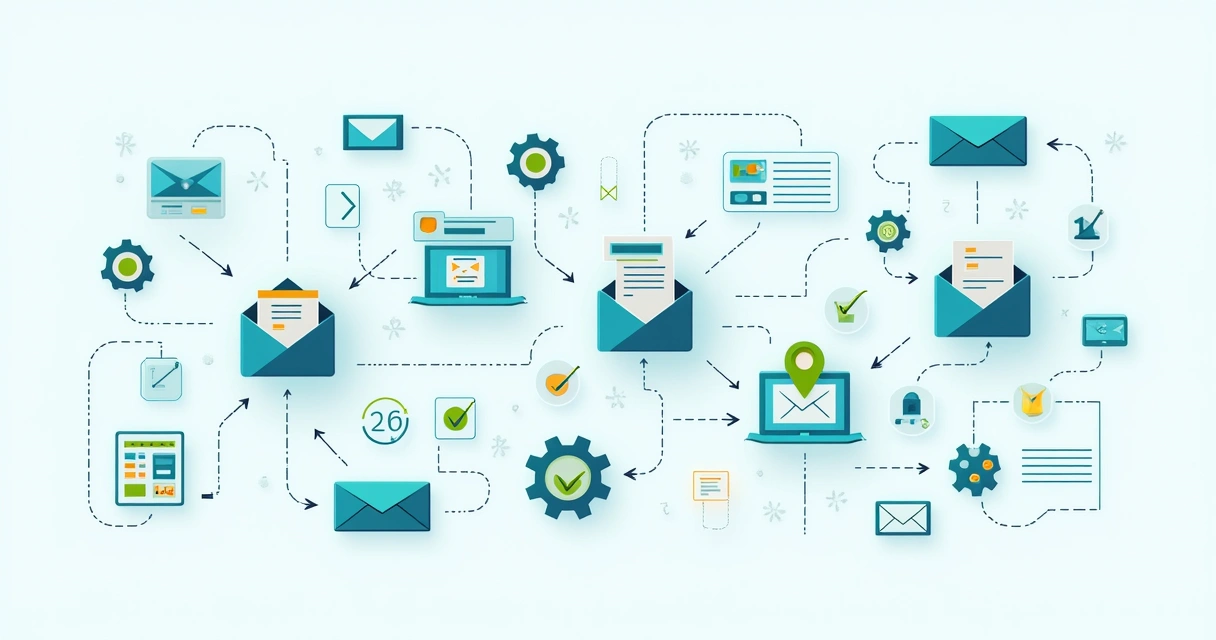
We have published practical advice and cautionary tales in our article 7 common failures when automating processes in small businesses—because not all automation is good. The right machine does not replace people, it makes their lives easier.
Automation: practical SME examples
We’ve seen clients benefit from:
- Birthday or anniversary greetings to boost loyalty—automated, but personal in tone
- Lead nurturing workflows that keep prospects warm, even if the team is busy
- Automatic hand-offs to the right team member based on deal size, region, or other data
- Triggering satisfaction surveys after a support ticket is closed
Less manual work means more time for real human connection.
AI-driven CRM: new intelligence for old problems
Artificial intelligence is no longer for “tech giants” alone. At Everdados, we use AI-powered conversational agents and advanced analytics to help SMEs answer support questions instantly, qualify leads without wasting sales time, and spot patterns invisible to the naked eye.
AI-powered CRM supports better decisions, faster service, and a more personal experience at scale.
Lead scoring and prioritization
AI analyzes past conversions and interactions, then predicts which prospects are most likely to buy. Sales teams can focus efforts where they matter most, improving close rates and minimizing wasted time.
Predictive analytics for customer behavior
Pattern recognition doesn’t stop with leads. Algorithms crunch data from emails, website visits, and purchase history to spot churn risks or identify up-sell opportunities—before your competition even knows what’s happening.
Conversational bots and smart chat
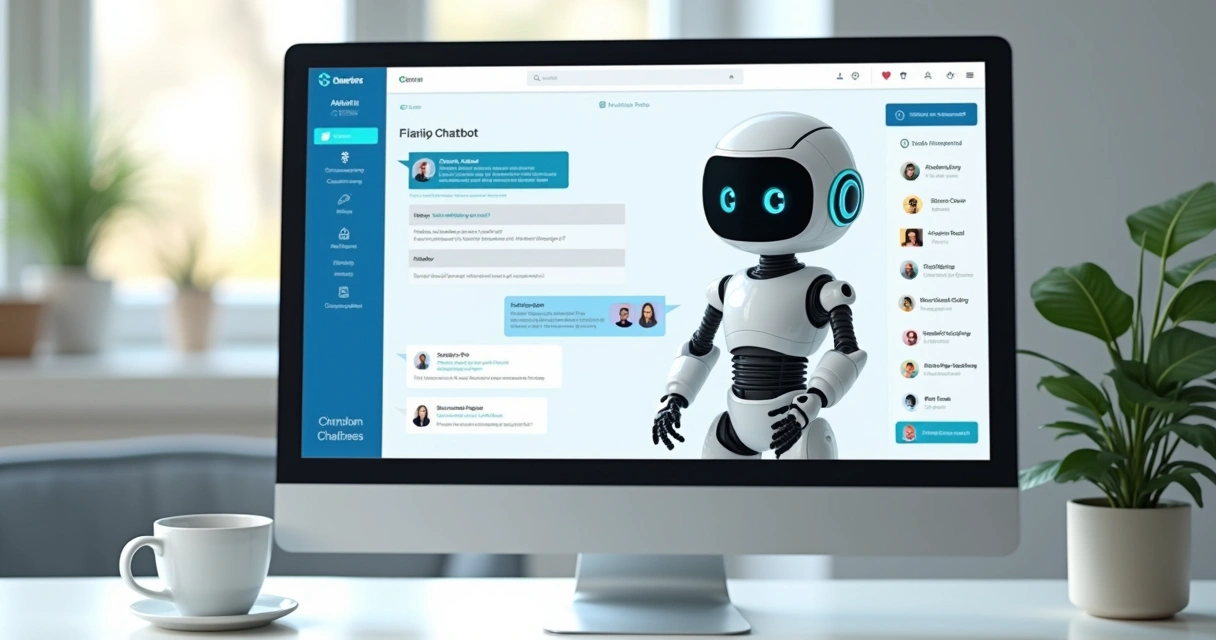
Intelligent chatbots, like those we offer at Everdados, work 24/7. They:
- Answer common support questions instantly
- Qualify inbound leads so your top closers get only the best
- Gather information that never gets lost—ready for next steps
- Scale naturally as business grows, without new hires every quarter
Explore more about applied AI for business in our artificial intelligence insights.
Cloud-based CRM: flexibility and peace of mind
The migration from on-premises to cloud CRM is well underway across Europe. When working with SMEs, we always recommend considering:
- Remote access for hybrid, distributed, or mobile teams
- Automatic updates and security patches
- Lower upfront costs—no servers, no complex IT
- Scalability when your team or customer base grows
- Built-in backup and data redundancy
Cloud CRM means your business stays open, wherever you are.
Cloud solutions remove barriers to adoption, making the process simpler for both technical and non-technical users. And for European SMEs, compliance features like data residency and role-based permissions are often standard in cloud offerings, streamlining audits and builds trust with customers.
Connecting your CRM with other business tools
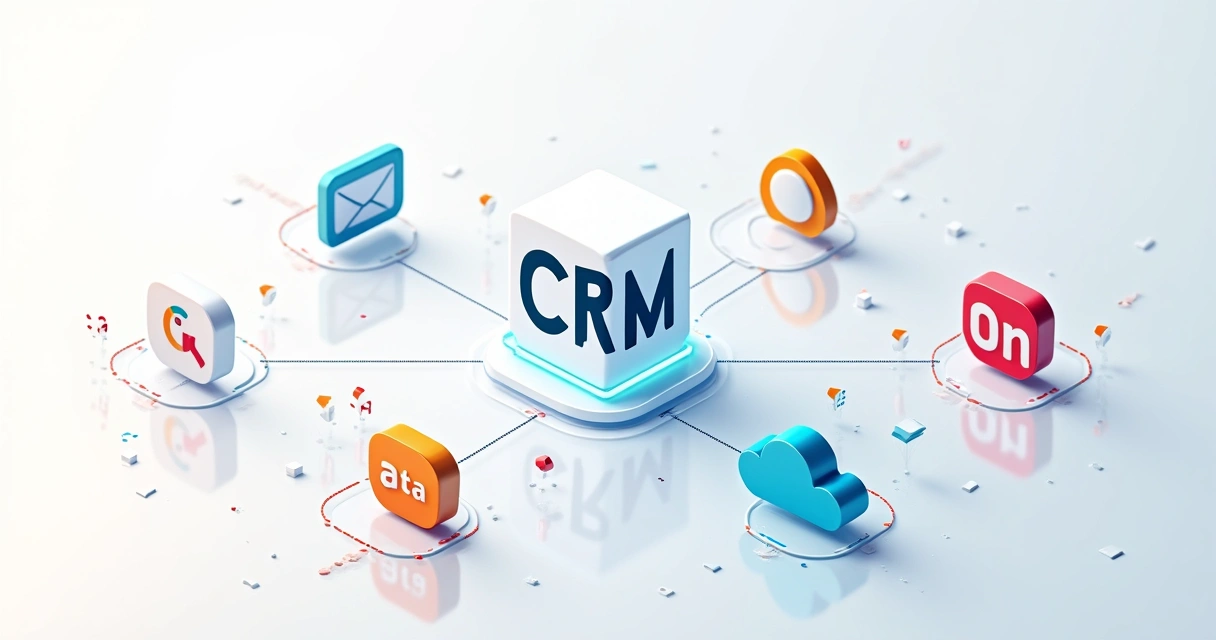
In real SME environments, you can’t replace every tool overnight. Integration matters. We find that connecting CRM with finance, marketing, and operations platforms:
- Avoids manual copy-paste errors
- Speeds up billing and contract workflows
- Makes reporting more complete
- Reduces security risks by limiting shadow IT
For guidance on bringing different systems together, our guide to integrating SME systems in Europe lays out practical steps for smooth connections with local ERPs, e-commerce, and communications apps.
Cost reduction and ROI: showing the business case
One of the strongest arguments for investing in CRM lies in measurable cost savings. We’ve seen small teams:
- Handle double the number of leads without hiring extra staff
- Avoid costly compliance errors thanks to built-in GDPR features
- Recover lost deals (and media investment) with smarter follow-up actions
- Find and fix wasted ad spend by tracking which campaigns really close sales
CRM returns investment quickly by freeing up time, reducing mistakes, and keeping every euro working toward growth.
Many SMEs fear tech upgrades mean higher costs. In fact, tailored systems, such as custom solutions by Everdados, help cut loose from endless licensing fees for unnecessary SaaS plugins. You pay for what you actually use—and control your own data every step of the way.
User adoption: the missing link in CRM success stories
If your team won’t use the new system, nothing else matters. Over decades, we’ve found five rules help ensure high adoption among small and medium business teams:
- Keep processes simple—don’t overwhelm with too many steps
- Customize views for different roles (sales, support, leadership)
- Offer hands-on training—real deals, not just theory
- Reward quick wins with visible results (faster follow-up, better closing rates)
- Include end-user feedback when making improvements
The best CRM is the one your team wants to use every day.
We advise clients to treat digital transformation as a process, not an event. Start small, build positive habits, then expand to cover more workflows. When the value is clear—and the pain points disappear—enthusiasm for the new system grows organically.

Step-by-step approach to CRM selection and rollout
Choosing and setting up a customer platform isn’t just about ticking boxes. For SMEs in Europe, it’s about solving real problems in the right order. In our client projects, a phased approach guarantees both technical fit and high adoption:
1. Set your main goals and success metrics
Identify what will really move the business. Is it higher conversions, lower churn, or time saved on manual reports? Define your success in measurable terms.
2. Map your core workflows—with your team’s input
Bring sales, support, and marketing to the table. Discuss how leads move, who takes action, and where data often gets lost.
3. Choose features that improve—not complicate—work
If nobody uses a feature, it isn’t valuable. Prioritize integrations and automations that address existing bottlenecks.
4. Pilot and gather rapid feedback
Run real deals and support requests through the system. Let teams share first impressions and identify friction points early.
5. Train, launch, and review
Schedule practical training sessions with real data, not just generic demos. Check progress regularly—adjust where needed.
A phased rollout builds trust and reveals actionable wins.
Custom vs. off-the-shelf: flexibility for unique SMEs
Too often, small and medium businesses are forced to twist their processes to match inflexible off-the-shelf software. At Everdados, our mission is the opposite:
We provide custom software tailored to each company’s real needs, centralizing information and removing dependence on costly subscriptions that don’t scale.
- Integrate directly with your website, local ERP, or industry tools
- Add only the fields and workflows your team actually uses
- Experiment and update rapidly as business grows or changes
- Ensure compliance with local and European regulations from day one
If your growth depends on features not found in standard systems, or if ownership of your data is a priority, a custom approach keeps you in control—without IT headaches or draining the budget.
Improved collaboration: breaking down silos
Growth happens when teams have access to relevant information at the right time. Our SWE clients value CRM benefits that go far beyond sales:
- Support sees past cases and provides consistent help
- Marketing can track the real impact of each campaign
- Finance gets accurate, live sales forecasts
Transparent communication—made possible by shared systems—means less confusion and fewer “lost in translation” moments.
Smart compliance: handling European regulations with ease
In Europe, handling customer data comes with real responsibility. We’ve helped SMEs audit data flows, ensure “right to be forgotten,” and prove compliance with GDPR and evolving local rules—often with built-in reports or automated deletion policies.
Compliance becomes a low-stress process when your CRM supports granular permissions, automatic reporting, and clear audit trails.
No more worrying each time a regulator calls or a customer demands data removal. A robust system answers those concerns quickly, freeing your team for growth instead of paperwork.
Future trends: where CRM for SMEs is heading
The digital future promises even more opportunities—and challenges. From our position at Everdados, we see several clear trends:
- AI-driven personalization: More than names in emails, we expect customer experiences tailored in real-time by patterns and intent.
- Omnichannel integration: Customers demand support and answers on their preferred channel—be it chat, social, voice, or email.
- Self-service and automation: More business processes happen automatically, freeing teams for higher-value work.
- Data-driven competitive edge: The future belongs to those who act quickly on data, not just react to it.

These changes are not far off—many are happening today, quietly driving SME growth behind the scenes.
Conclusion: a smarter, unified approach to customer management
CRM systems are no longer an afterthought for European SMEs—they are the central nervous system of modern business. By unifying customer interactions, automating manual tasks, and embracing AI, small and medium enterprises can cut costs, scale quickly, and compete with agility.
At Everdados, our mission is to place the right digital tools directly in the hands of growth-minded SMEs—helping them thrive in a connected world, while keeping costs, compliance, and control top of mind.
If you’re ready to modernize your approach to customer management—or want to see what tailored automation and AI can deliver—reach out to Everdados and talk with our specialists about your real business needs.
Frequently asked questions
What is a CRM system?
A CRM system is software that helps businesses organize, track, and manage all interactions with customers and prospects in one place. It combines tools for sales, marketing, and support teams, linking every conversation, document, and transaction to create a full customer profile and history.
How can CRM help my small business?
CRM helps small businesses by centralizing customer data, making it easier to follow up on leads, speed up sales cycles, and offer better support. It also automates routine actions, reducing manual mistakes and freeing your team to focus on high-value tasks. Over time, this means stronger relationships and more repeat customers.
Is CRM automation worth it for SMEs?
Yes, automating routine tasks through CRM can save time, shrink costs, and allow small teams to act much larger than they are. Automated reminders, lead nurturing, and fast ticket routing keep sales and support moving—without hiring more staff.
What are the top CRM features for growth?
The most useful features for SME growth include contact management, workflow automation, email integration, lead scoring, reporting dashboards, and simple integrations with existing tools like accounting software. AI-enhanced features, like conversational bots and predictive analytics, offer a strong advantage as your business expands.
How much does a CRM system cost?
Costs can vary widely. Some SMEs choose ready-made platforms with monthly subscriptions, while others invest in custom systems that better fit their processes and can remove recurring fees. Hidden costs—like time spent on setup or missed automation—should also be accounted for. In our experience, tailored solutions, like those from Everdados, pay off quickly by cutting unnecessary features and focusing on real needs.